


Winters here are the hard kind
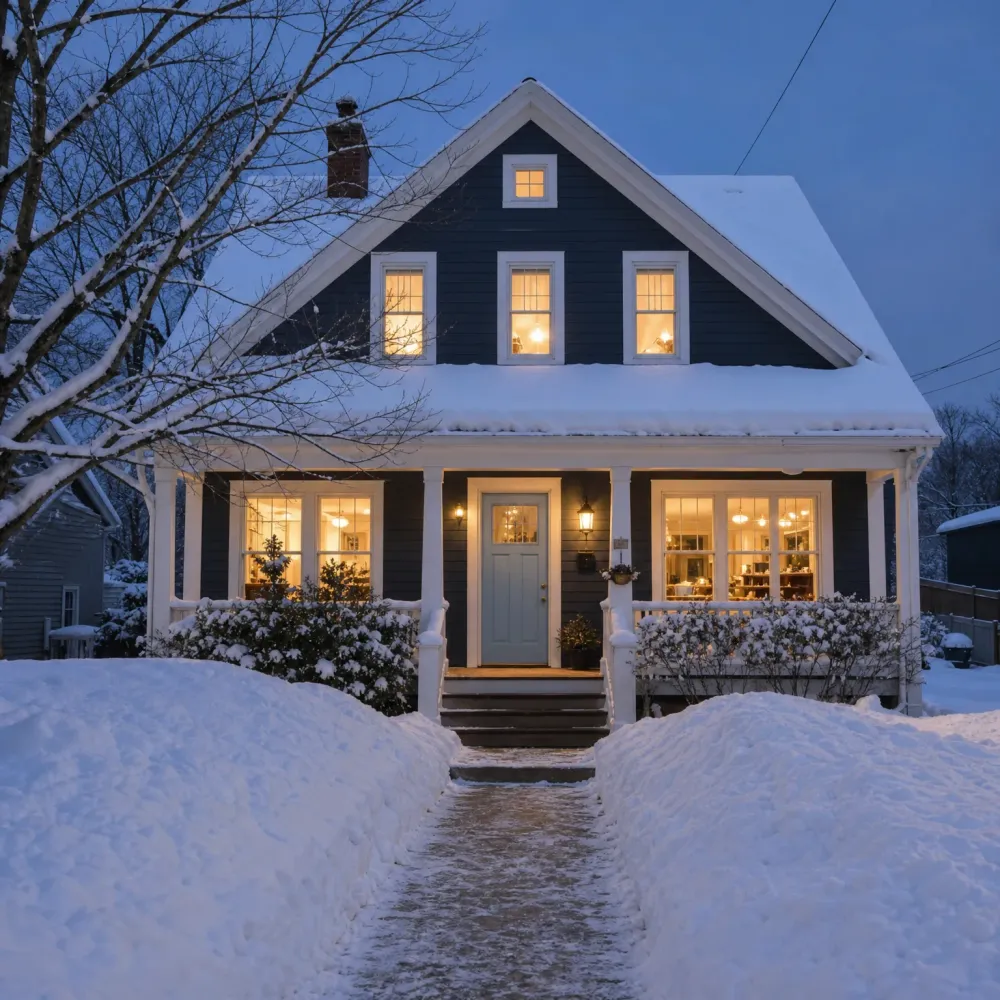
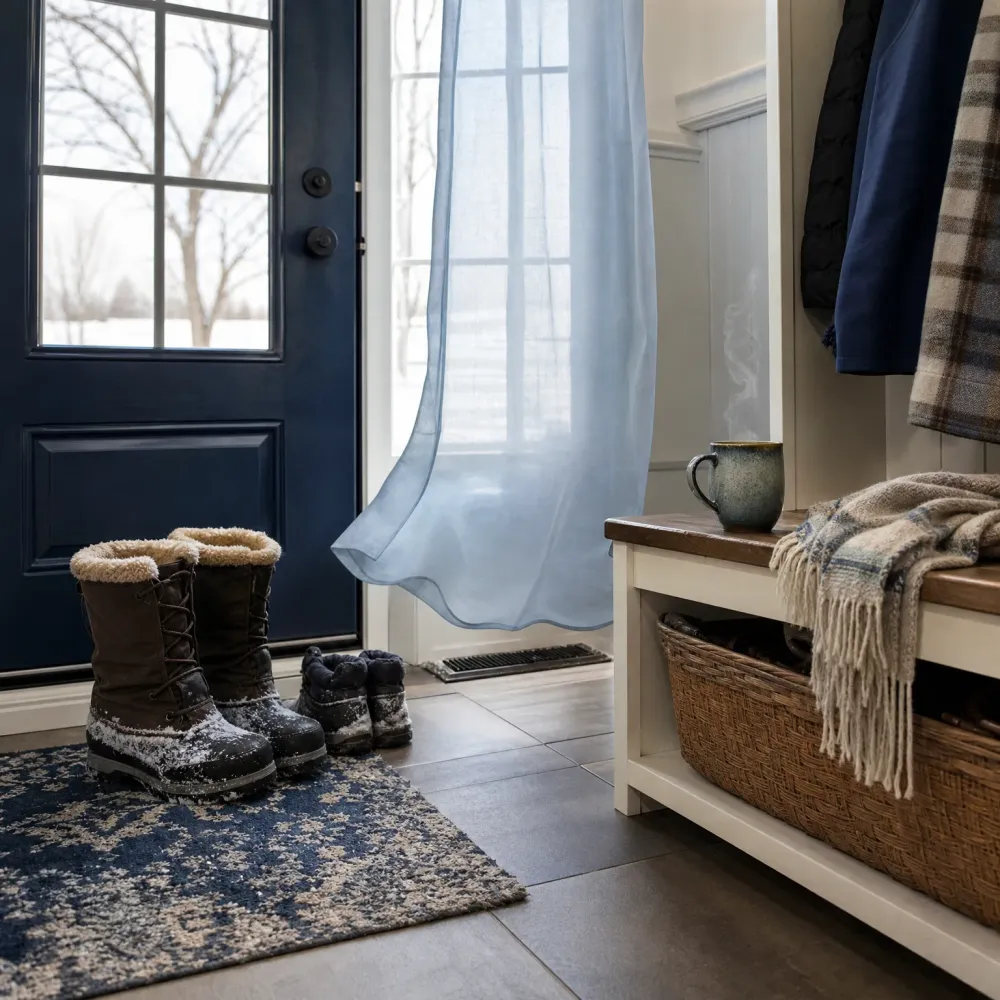
Renville County winters run cold for a long stretch. The overnight low averages 3°F across December, January and February, and the heat runs nine months a year, September through May. That's the setup this decision has to work inside.
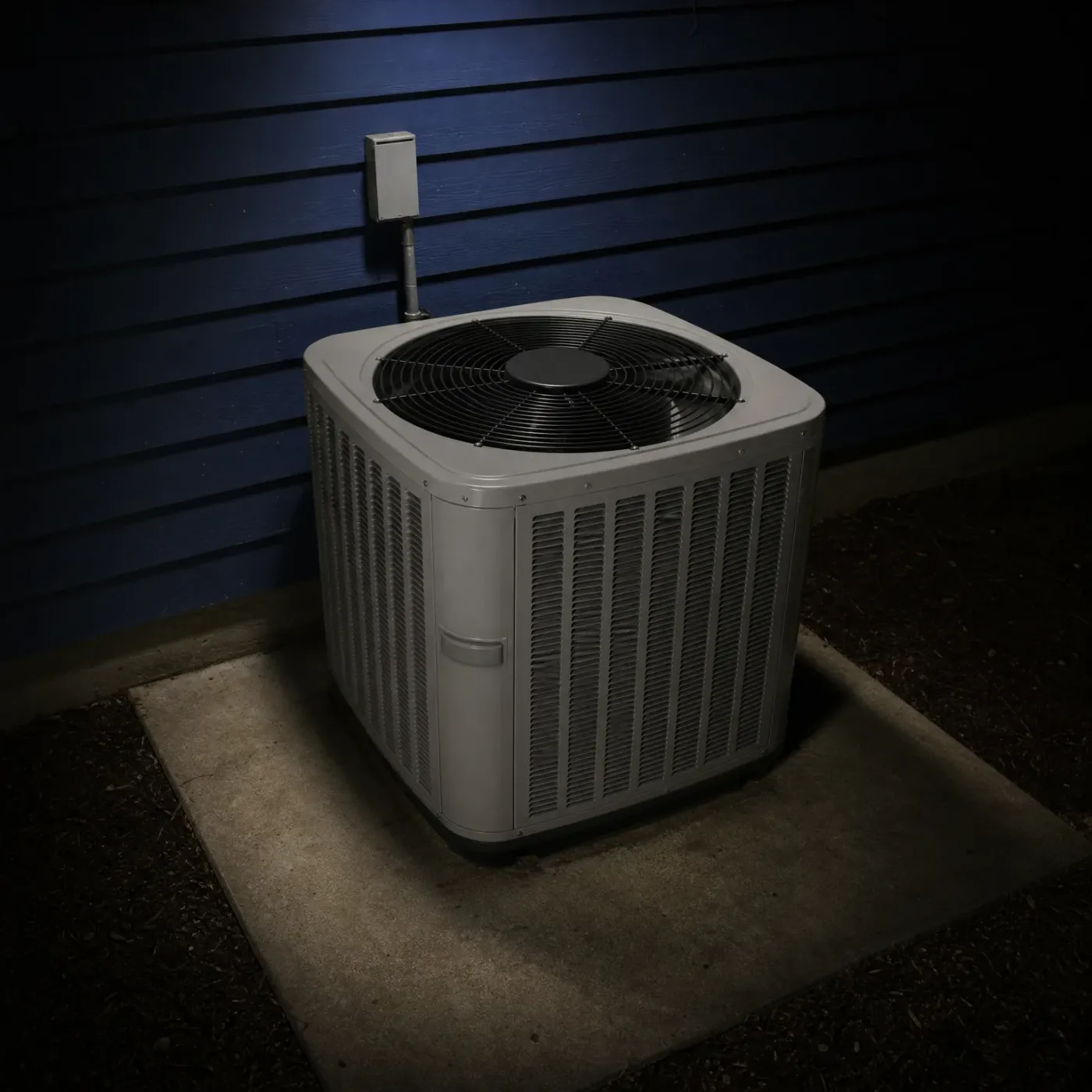
A standard heat pump starts losing ground before it even gets to that average night. Below 40°F its heat output falls short of what it's rated for, and below about 35°F it often needs backup heat to keep up. Here, nearly all of the heating season sits below both marks. Overnight lows hit freezing or below about 195 nights a year, over half the nights the heat runs, and every one of those nights is already past the point where a standard heat pump is working at a disadvantage.
About 50 nights a year drop to 0°F or below. That's a smaller slice, under a third of the freezing nights, but it's where a standard heat pump leans hardest on backup heat. A unit built to the ENERGY STAR Cold Climate spec is tested to perform at 5°F, holding at least 70 percent of its 47°F capacity and still making more heat than electricity it uses at that temperature. A standard heat pump has no such requirement and isn't built or tested to promise that.
Field testing on cold-climate heat pumps found backup heat carried only a small share of the load between 0°F and 35°F, and the unit ran on backup alone only rarely above 0°F. That's the cold-climate version, built for this. A standard heat pump in this county is working below its comfort zone for most of the season, not just the coldest nights.