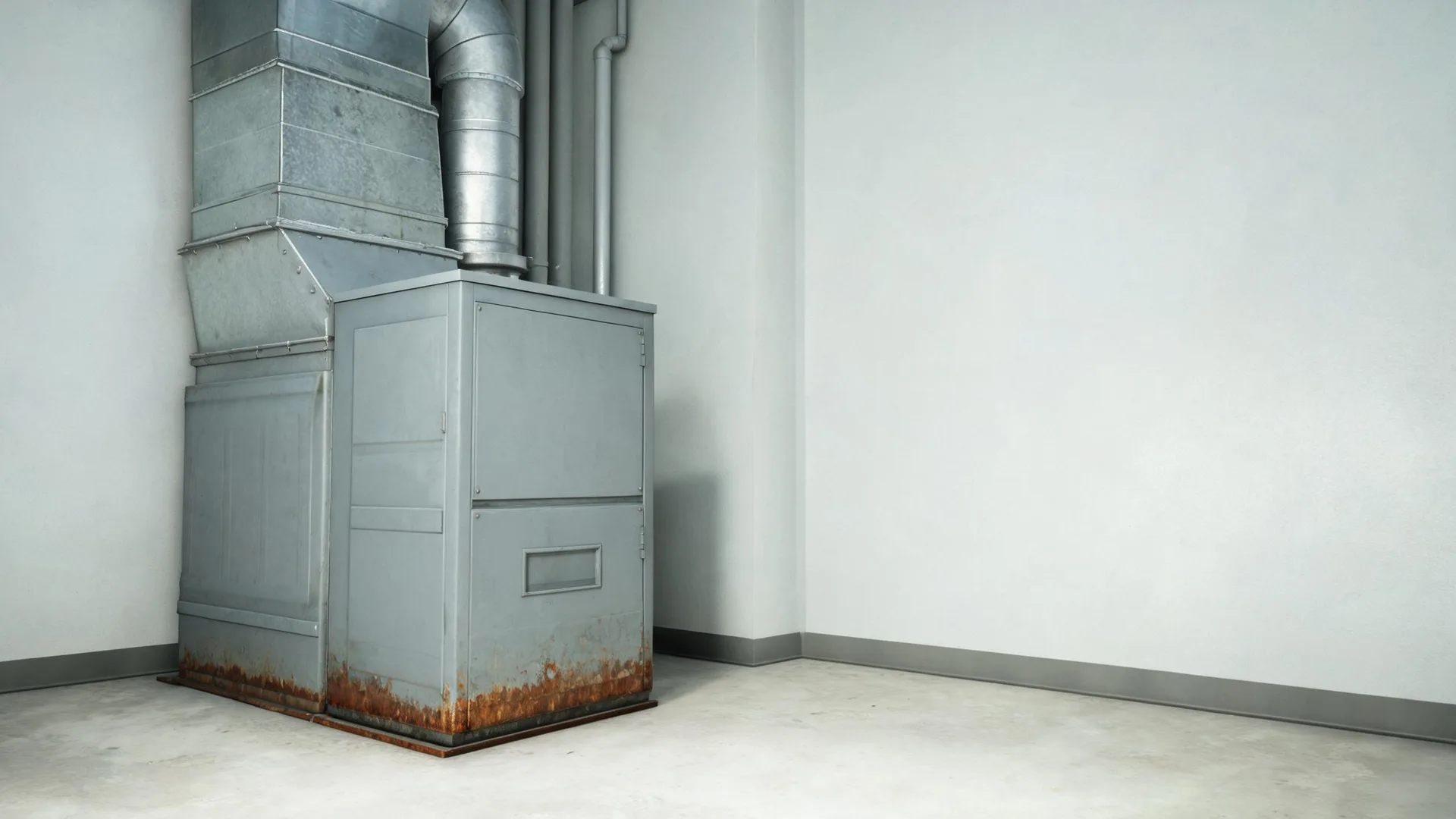
Ten months of runtime
Furnaces around Rolla run from September through June. That leaves a short stretch where the system gets to sit idle, and the rest of the year it's cycling on to keep up with the cold.
Takes about a minute. No obligation.
Furnaces around Rolla run from September through June. That leaves a short stretch where the system gets to sit idle, and the rest of the year it's cycling on to keep up with the cold.
A furnace running that many months a year puts more hours on its igniter, blower motor, and heat exchanger than one that only runs part of the year. Whatever's going wrong with yours, it's worth having a contractor check it properly rather than guess at a fix.
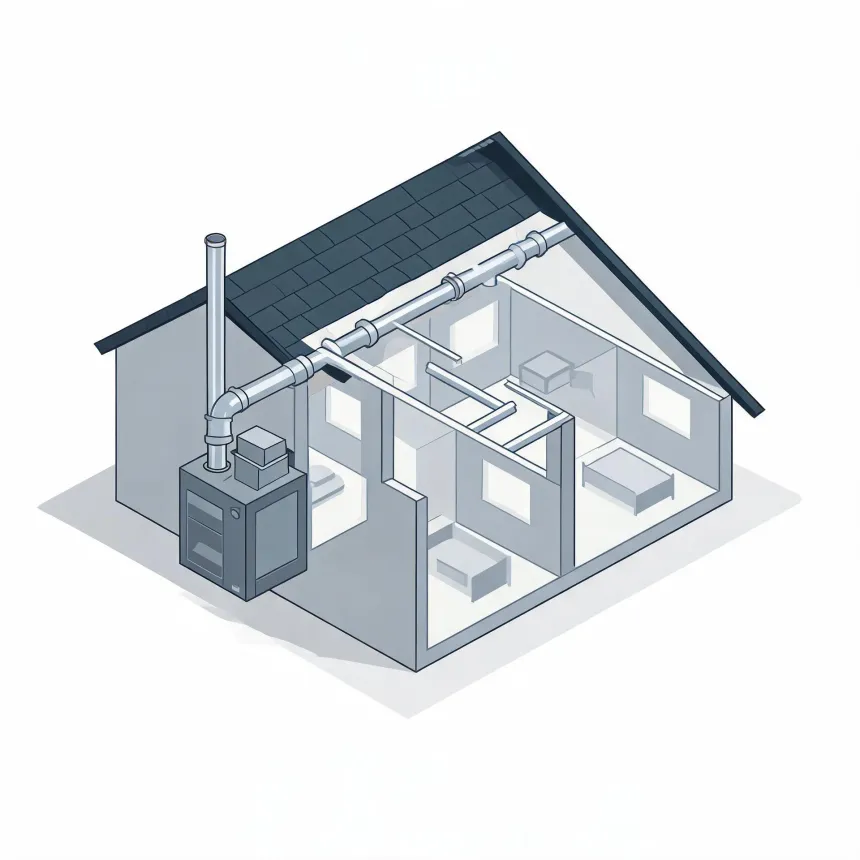
NOAA nClimDiv, 1991–2020 normals
A furnace that short cycles, turning on and off every few minutes, is losing heat somewhere it shouldn't or sensing something that tells it to shut down early.
That pattern wears out the parts that start the system up, so it's worth having someone look before the igniter or the flame sensor gives out completely.




A furnace that's running rough doesn't stop pulling power just because it's not heating well. It keeps cycling, keeps drawing current, and with electricity priced the way it is here, that's not a small thing to ignore. A bad igniter or a weak blower motor won't get better on its own, and every week it runs like that costs you something. Have a contractor look at it now instead of waiting to see how high the next bill climbs.
A furnace running September through June doesn't get much downtime to recover from small problems. Whatever's causing yours to act up, a contractor can find the actual part at fault instead of you guessing and hoping it holds.
Find a contractor
A cracked heat exchanger stays small if the furnace shuts down. Keep running it and the metal keeps flexing with every cycle, heating up and cooling down, until the crack opens wider. A blower motor with a bad bearing works the same way. It'll run loud and hot for a while, then seize, and it usually takes the circuit board with it when it goes. Even something as simple as a clogged filter turns into a bigger job the longer it's ignored, since the restricted airflow makes the heat exchanger run hotter than it's built for. The parts in a furnace are built to handle heat, not to keep working while something's already wrong. Shutting it off and calling someone almost always costs less than finding out what happens if you don't.
Check the thermostat is set to heat and the temperature is actually above room temperature. Look at the filter and replace it if it's gray or clogged, since a blocked filter can starve the system of air. Check that the furnace switch, the one that looks like a light switch on or near the unit, hasn't been bumped off. Go to the breaker panel and see if the furnace breaker has tripped. If you have a standing pilot, check whether it's still lit.
Don't take the cover panels off the furnace or reach inside the burner compartment. Don't try to relight an electronic ignition system yourself or hold a gas valve open past where it stops naturally. If you smell gas, don't flip any switches at all, leave the house and call the gas company from outside. A furnace that trips its breaker repeatedly or that you can smell something burning from needs a contractor, not a second attempt to turn it back on.
Most furnace failures trace back to a handful of parts, and they tend to go in a predictable order. The igniter is usually first, since it heats up and cools down every single cycle and that stress adds up over years. Flame sensors go next, coated slowly with a film that builds up until the sensor can't tell the furnace a flame is there, so the system shuts itself down as a safety measure. Blower motors wear through their bearings, and you'll usually hear that coming as a grinding or whining sound before it quits outright. Capacitors that help start the blower motor weaken with age and eventually can't deliver the jolt the motor needs to spin up. The heat exchanger is the part you least want to see fail, since its job is to keep combustion gases separate from the air moving through your house, and metal fatigue from years of heating and cooling can eventually crack it. None of these parts fail without some warning. A furnace that delays before igniting, cycles more than it used to, or makes a new sound is already telling you which part is on its way out.
Age matters more than any single symptom when you're deciding whether to fix a furnace or replace it. An older furnace that needs an igniter is still usually worth repairing, since that part fails on its own schedule and doesn't mean the rest of the system is going. An older furnace that needs a blower motor or a heat exchanger is a different question, because you're paying for a major part on a unit that's already used up most of what it had. The heat exchanger is the one that usually ends the conversation. It isn't sold as a quick swap, and a contractor who finds a crack in one will most likely tell you it's time to replace the furnace rather than the part. Ask what's failing and how old the unit is before you decide, since those two facts together tell you more than either one alone.