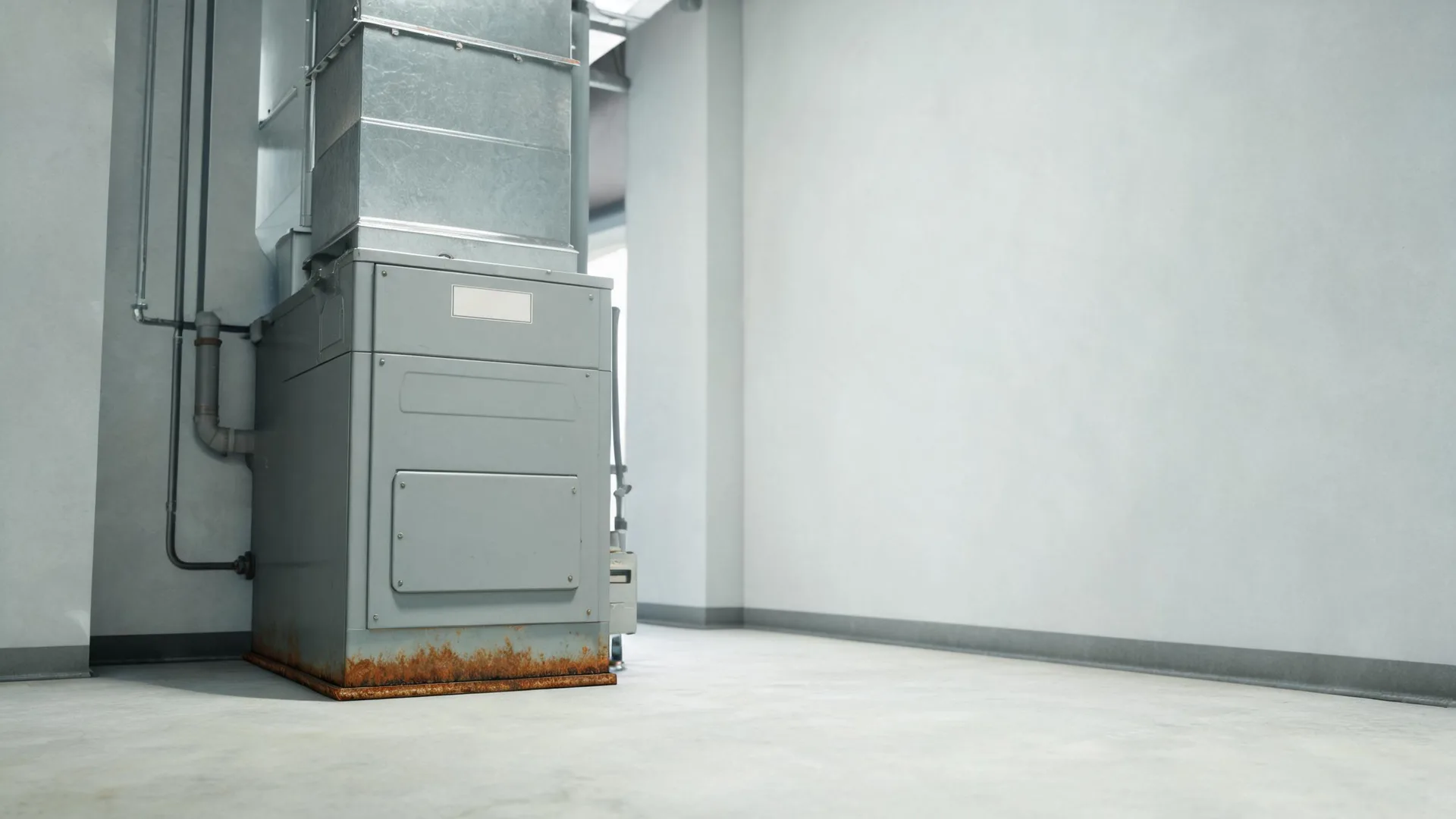
Nine months of runtime
Furnaces here run from September through May. That is most of the year asking the igniter, the blower motor and the heat exchanger to cycle on and off, day after day.
Takes about a minute. No obligation.
Furnaces here run from September through May. That is most of the year asking the igniter, the blower motor and the heat exchanger to cycle on and off, day after day.
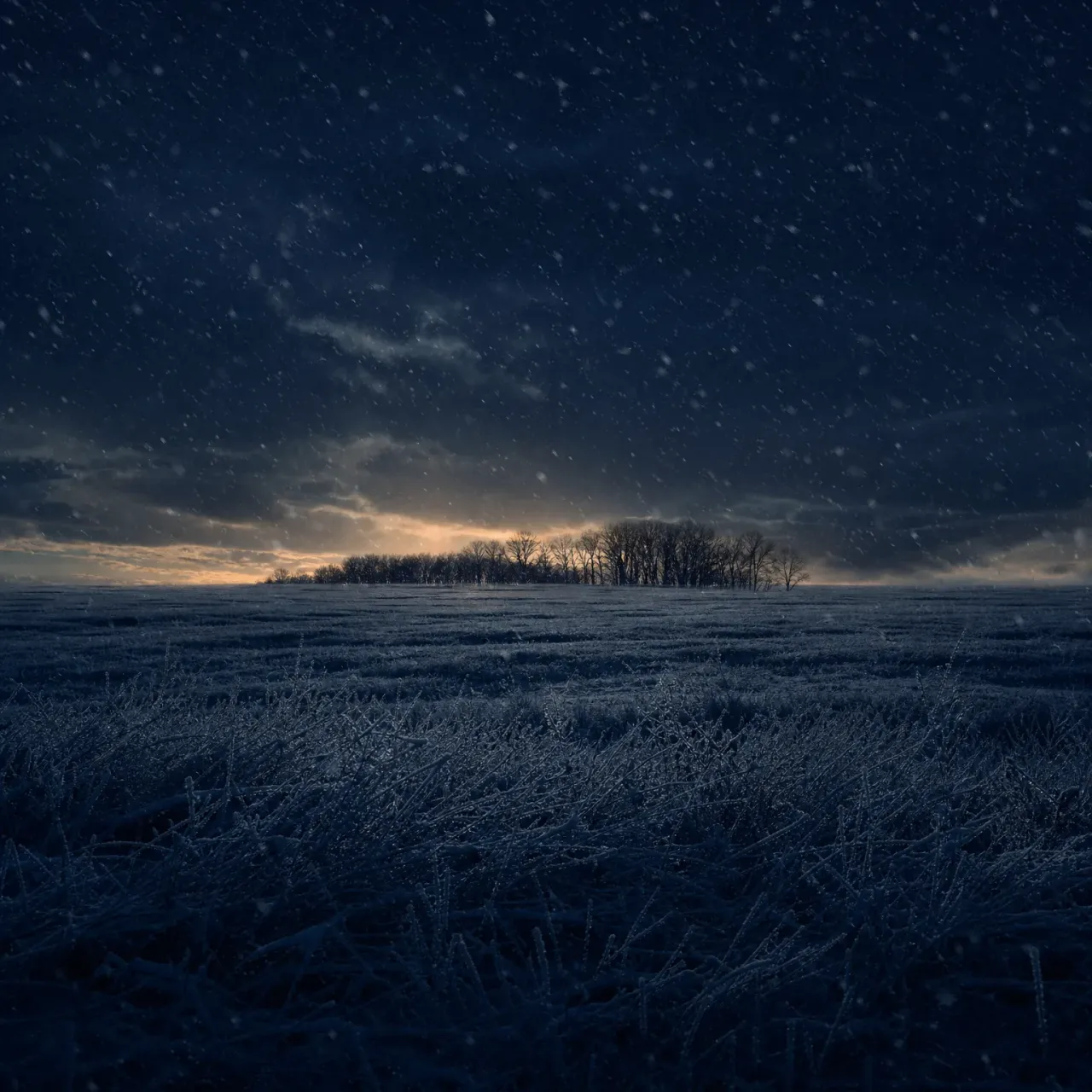
Overnight lows average 1°F across December, January and February. On nights like that your furnace runs longer to hold temperature, and anything already worn gets worse faster.
NOAA nClimDiv, 1991–2020 normals
Electricity in North Dakota ran $33.73 per million Btu in 2024.
A furnace that's struggling to heat runs longer to make up for it, and that's money going somewhere other than your living room.


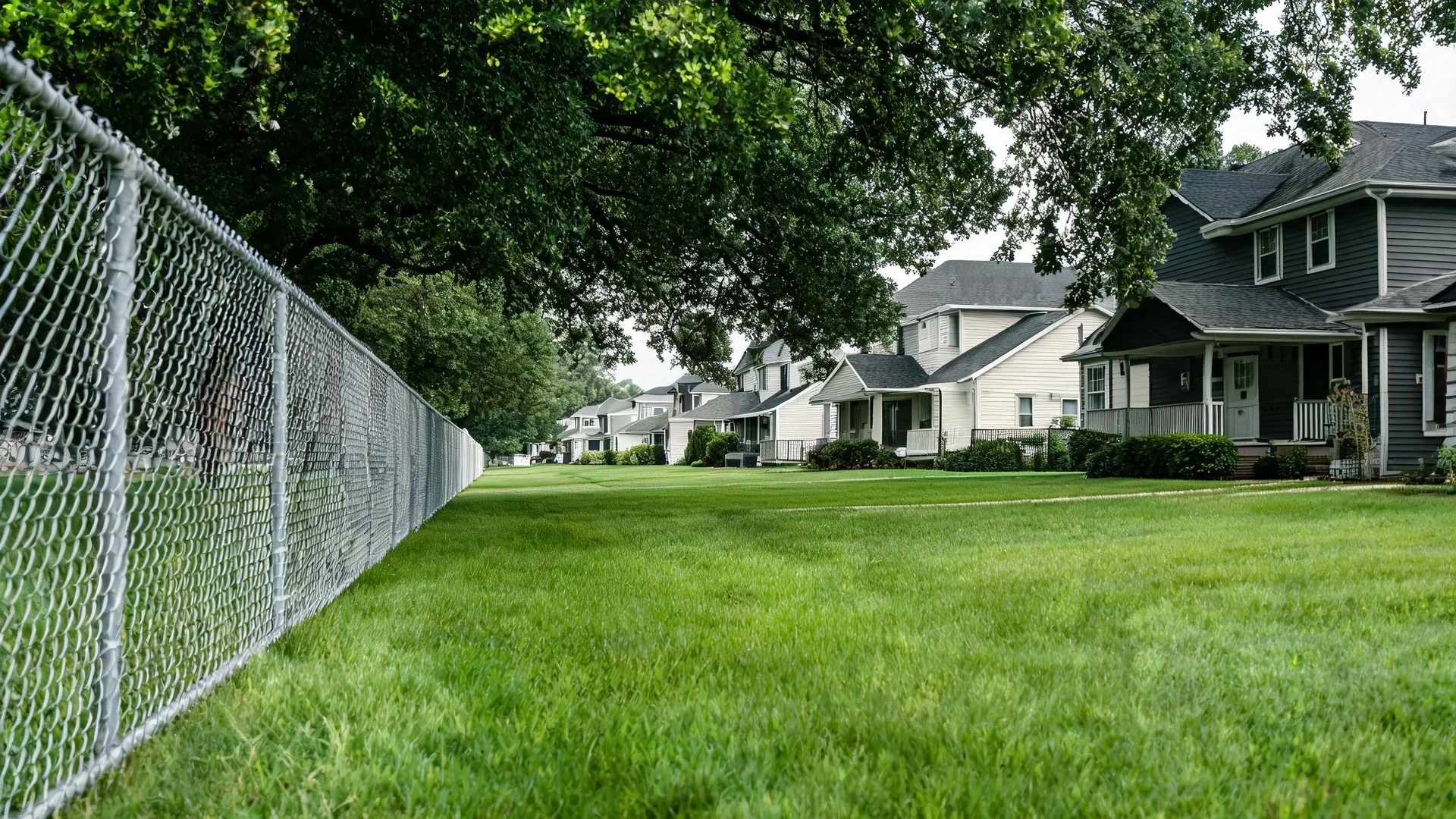
Half the homes in Pierce County were built in 1972 or earlier. If your furnace came with a house that old, it's probably not the original unit, since furnaces don't last that long. But whatever replaced it may itself be getting up there in years. A furnace that's been heating an older home for a couple decades is closer to the end than the beginning. Before paying for a repair, it's worth finding out how much life is actually left in it.
A furnace that runs nine months a year and fights 1°F nights doesn't get to rest and recover. Whatever's making noise or running long right now has been building for a while. Get it looked at before it picks the coldest night to quit.
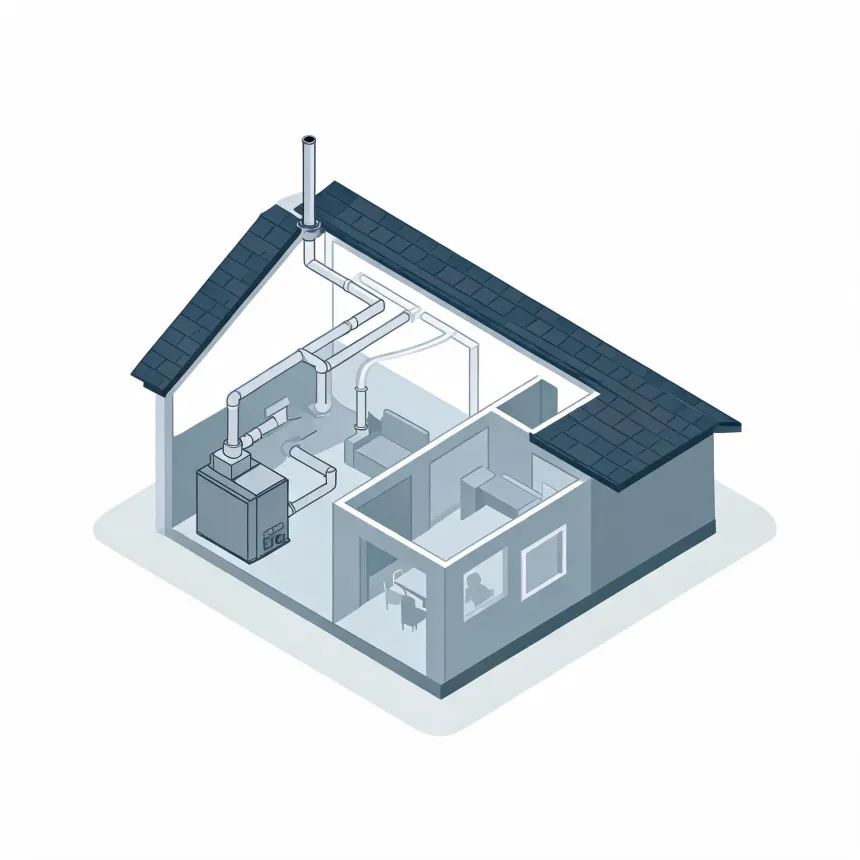
Find a contractorFurnaces don't usually fail from one bad part giving out of nowhere. They fail from the same motion repeated too many times. The hot surface igniter heats up and cools down every cycle, and the metal or ceramic it's made from gets more brittle each time. The heat exchanger expands when the burners fire and contracts when they shut off, cycle after cycle, year after year, until metal fatigue finds the weak spot. Bearings in the blower motor wear from spinning, not from sitting. A capacitor that helps start that motor loses its charge a little at a time. None of this shows up as a single moment of failure. It shows up as a furnace that short cycles, or takes longer to catch, or runs louder than it used to, months before it actually quits.
A small crack lets combustion gas leak into the air your furnace is pushing through the house. Keep running it and the metal keeps flexing with every heat cycle, and the crack opens further. This is the one problem where shutting the furnace off and waiting for a tech is the right call, not a delay.
An igniter that's cracking or weak makes the furnace try again and again to get a flame lit. Each failed attempt is the control board cycling power to it and watching for a response that doesn't come. A board built for normal cycling wears out faster running through repeated failed starts.
A few things are worth checking before you call. Look at the thermostat first. Make sure it's set to heat, not cool, and the set temperature is actually above the room temperature it's reading. Check the air filter next. A filter clogged with dust chokes airflow, and some furnaces shut themselves down rather than keep running against a blocked filter. Go to the breaker panel and make sure the furnace's breaker hasn't tripped. If it's a gas furnace, check that the gas valve leading to it is open, and look for a switch on or near the unit that looks like a light switch, since that's furnace power and it's easy to bump off without noticing. None of this fixes a cracked heat exchanger or a failing board, but it rules out the simple stuff before anyone comes out.
A repair is worth making when it fixes one part and leaves the rest of the furnace as it was. A new igniter, a new flame sensor, a new capacitor on the blower motor, none of these tell you anything about what's coming next. But some failures are a sign the whole furnace is winding down rather than having a bad day. A heat exchanger cracks from years of expanding and contracting with every cycle, not from one bad week. A control board failing alongside a blower motor that's already struggling points the same direction. The question isn't just what broke. It's whether what broke tends to happen once, or tends to be the first of several.