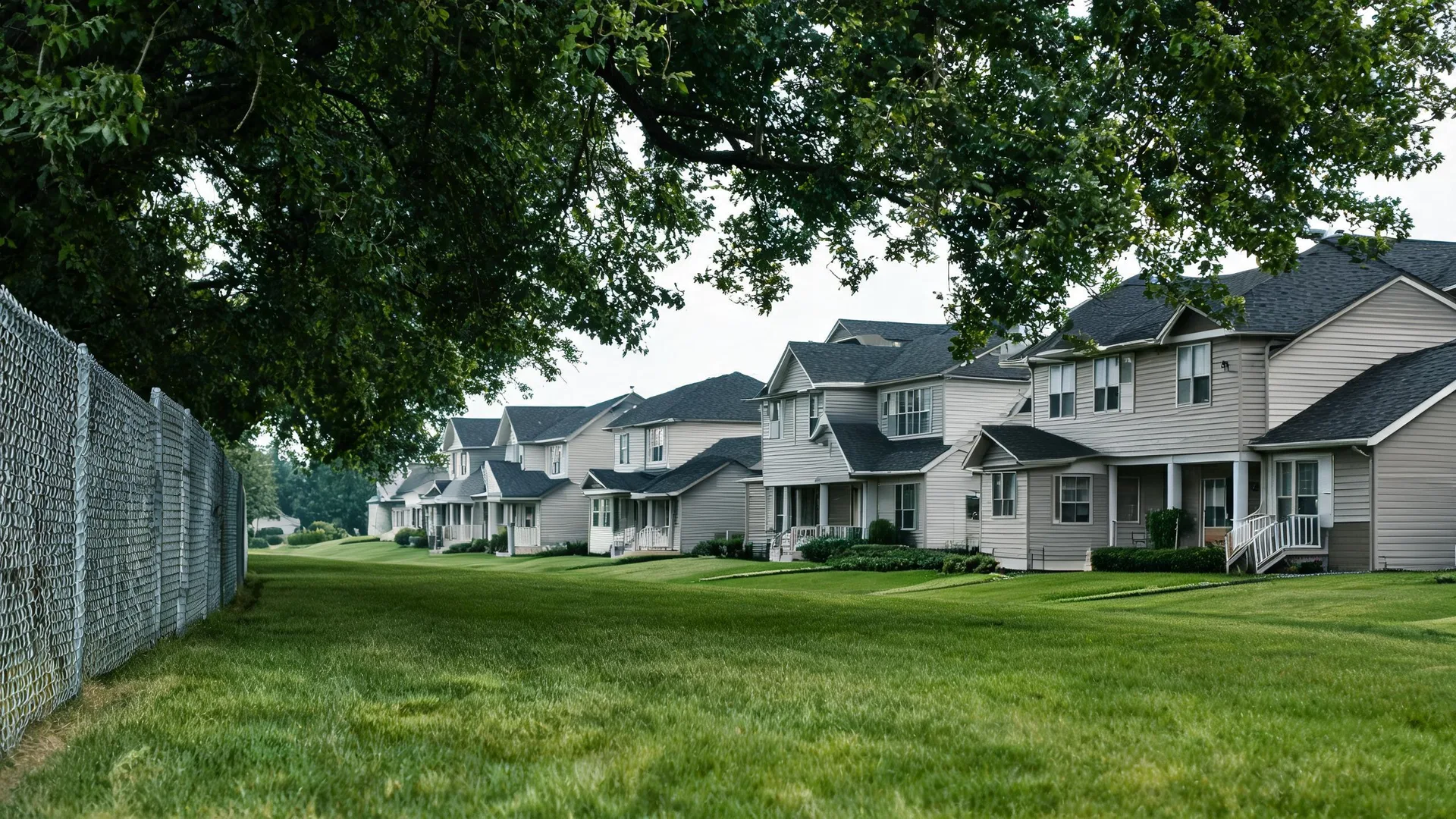
A row of two-story houses with gray vinyl siding and shingled roofs behind a wide mown lawn, with a chain-link fence at left and large tree branches overhead.

Furnace Repair in Dickinson, ND

Tell us about the job

Takes about a minute. No obligation.

RepairFurnace or heatingStark County, ND
Step 1 of 2

What ZIP code is the job in?

Ten months of runtime a year

A furnace in Stark County runs from September through June. That's most of the year asking the same igniter, blower and heat exchanger to cycle on and off, month after month, with barely a break before the next stretch of cold starts.

What that means for your repair

A furnace with this little downtime wears sooner than one that only runs a few months a year. Whatever part is failing now has earned it. Get the actual cause diagnosed rather than just patched, or the same part gives out again before the season's done.

10 months
September through June, your furnace is on duty
7°F
the average winter night it heats against
51%
of homes here heat with gas, so most furnaces here burn gas
23 winter storms
in ten years, the nights a failure hurts most
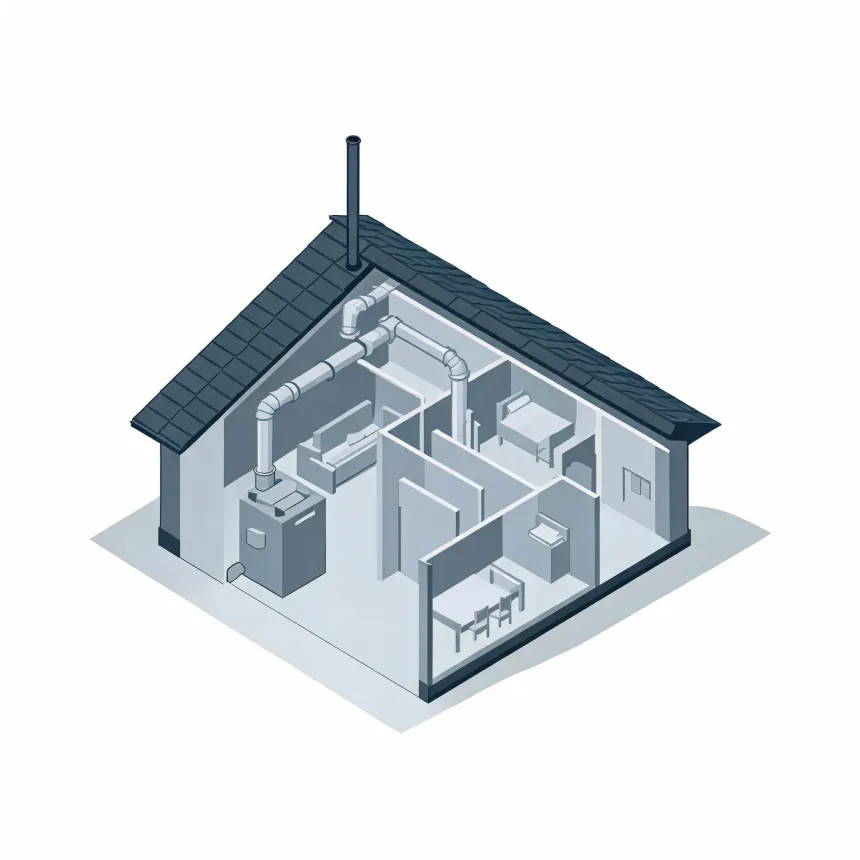
Isometric cutaway illustration of a small single-story house showing interior rooms with furniture, a furnace unit with attached ductwork running to a roof flue, and a dark shingled roof.
Your furnace works hardest from November through March.

NOAA nClimDiv, 1991–2020 normals

Furnaces in Stark County start running in September, right after the warm months end in August.

The part that was already weak at the end of last season is the one that gives out when September's first cold snap puts a full load on it.

Gas here costs more, so a furnace running wrong costs you every month it's broken

Climate zone 6A
Heat runs September through June
Winter nights average 7°F
Your House Is Newer Than Most, And So Is What's Inside ItHalf the homes in Stark County were built in 1986 or later.

Gas here ran $8.44 per million Btu in 2024, among the higher rates in the country. A furnace that's short cycling, running longer than it should, or struggling to hold a set temperature is burning gas without heating the house the way it's supposed to. That waste shows up on the bill every month the problem sits there. Getting the actual fault found now, instead of waiting to see if it gets worse, is what stops the bleed.

Get the real cause found, so the fix holds

A furnace that runs ten months a year does not give you much room between one cold stretch and the next. Have the actual problem diagnosed now, so the part that failed gets replaced instead of patched, and it holds for the rest of the season.

Find a contractor
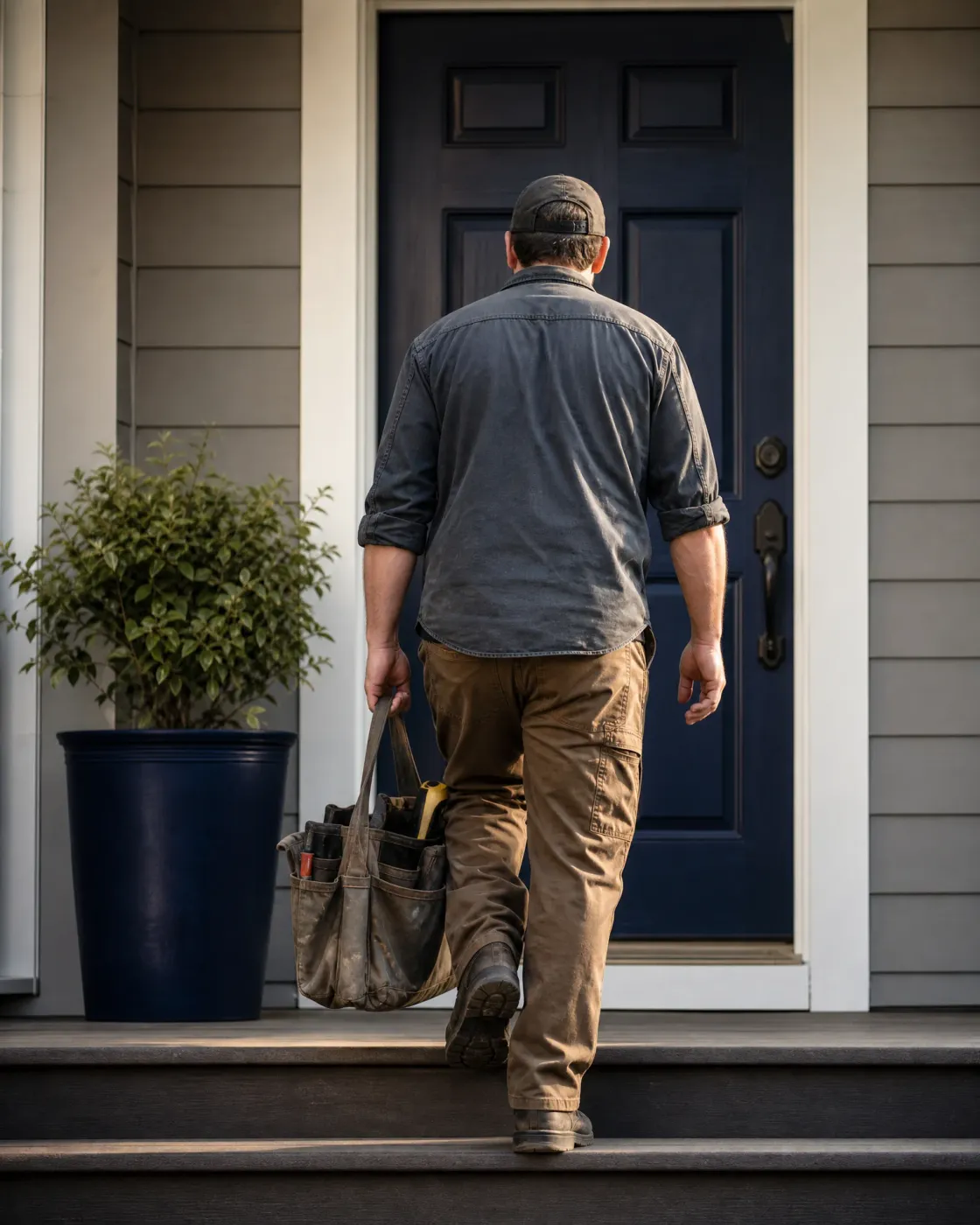
A man in a cap, gray shirt and brown work pants, seen from behind, carries a canvas tool bag up steps toward a dark navy front door beside a potted shrub.
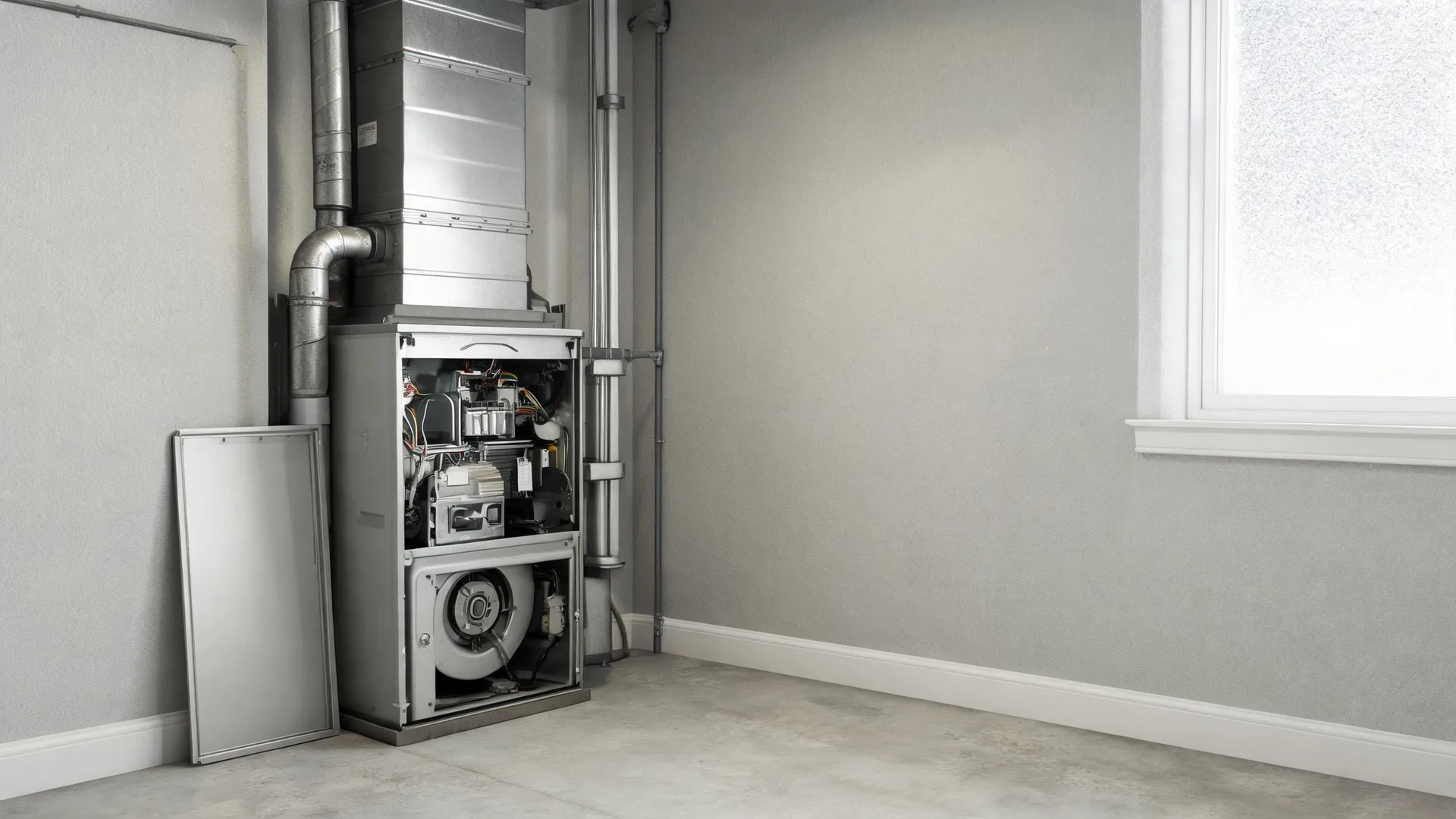
A gray residential gas furnace installed in an unfinished basement, connected to sheet-metal ductwork and PVC pipes.

A newer furnace still deserves a real diagnosis

That mileage argument points to one thing: a furnace with real years left on it is worth diagnosing properly, not swapping out on a guess. If a part failed early, there's usually a reason behind it, a short in the control board, a draft problem, something making it work harder than it should. Fix that along with the part and the repair holds instead of repeating.

A small fault doesn't stay small

A cracked ignitor or a failing flame sensor doesn't fix itself by running more. Each cycle puts the same strain on the weak part, and most furnace parts fail at the moment they're asked to work, not while they sit idle. A limit switch that trips once will keep tripping until something downstream gets damaged.

Heat means stress on metal

The heat exchanger cracks under repeated expansion and contraction, not all at once. Every cycle it heats up and cools back down, and a furnace left running with a bad blower or restricted airflow pushes that metal harder each time. Once a crack starts, more runtime only opens it further.

An unfinished concrete basement containing a gas furnace with sheet-metal ductwork, utility shelving, and exposed overhead joists.

A new furnace would cut about $110 a year off heating for a typical Stark County home.

  • A new high-efficiency furnace$450 a year
  • An older furnace$560 a year

Estimates for a typical Stark County home, compared with an older unit built to the previous federal minimum, from EIA household energy data, North Dakota fuel prices and NOAA climate normals. Your home will differ.

Repair makes sense when one part has failed and the heat exchanger is sound.

Replacement makes sense when the heat exchanger is cracked or the furnace keeps needing parts.

A diagnostic visit starts with the thermostat and works back from there, not the other way around. A tech checks what the furnace is actually doing: does it ignite and shut right off, does it run but never reach temperature, does it cycle on its own with no call for heat. Then it's a process of checking each part in the chain, the igniter, the flame sensor, the pressure switch, the control board, until the one that's out of spec shows itself. Some of this is a meter on a part, some of it is watching a full cycle start to finish, because a fault that only shows up at the start of ignition won't show up if you only check the part at rest. A furnace can have more than one thing wrong at once, a weak part that's failing now and a second problem that caused it, so the visit isn't done when the obvious part is found bad. Whatever gets replaced, the tech should be able to tell you why that part failed, not just that it did.