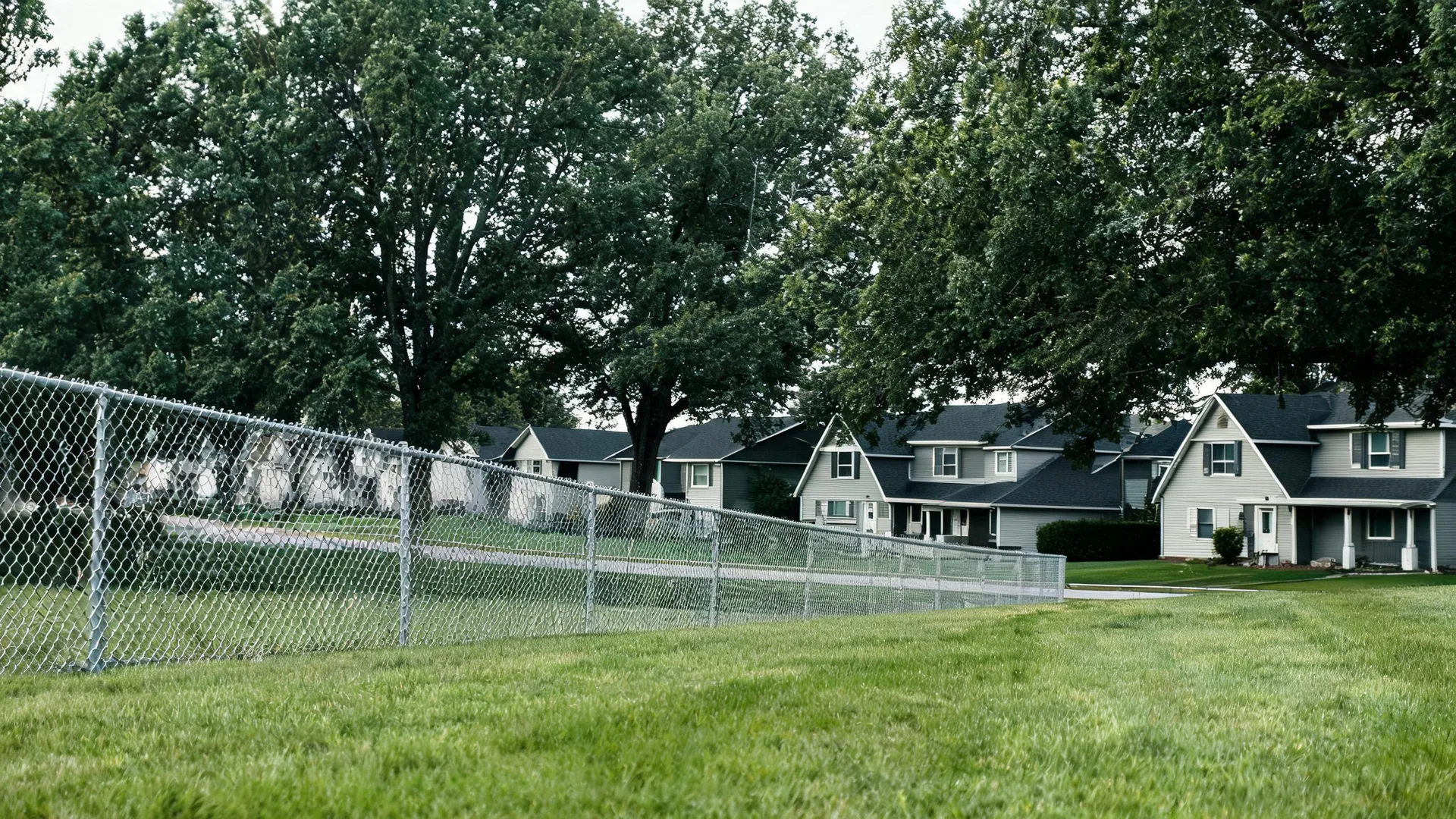



A chain-link fence crosses a mown grassy field in front of a row of two-story houses with gabled roofs and light siding, backed by large deciduous trees.

Furnace Repair in Carrington, ND

Tell us about the job

Takes about a minute. No obligation.

RepairFurnace or heatingFoster County, ND
Step 1 of 2

What ZIP code is the job in?

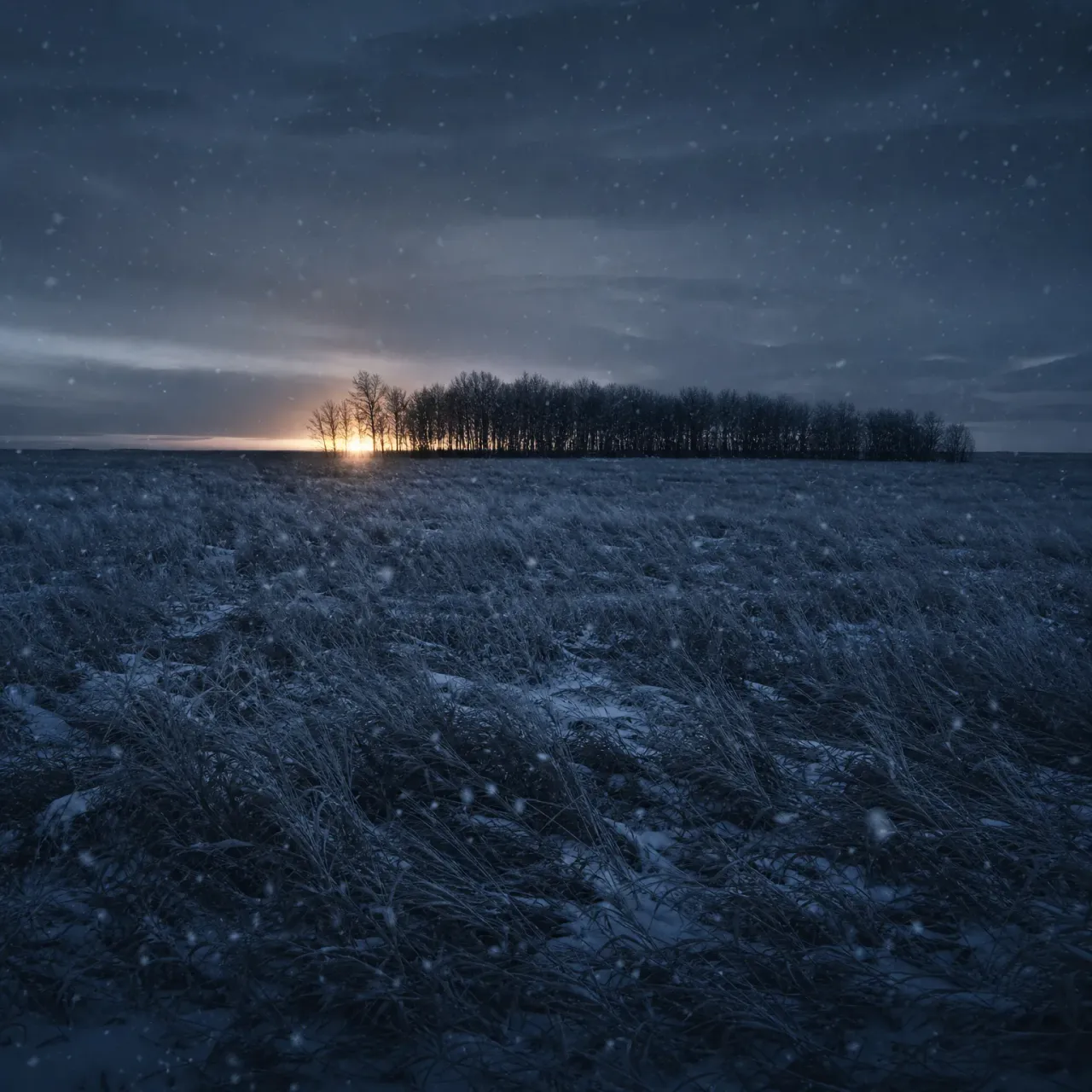
Furnaces in Foster County run from September clear through to May. That's nine months of the year, not just the cold snap in January. And when it does get cold here, it gets to 3 below zero on an average winter night. A furnace built to heat a house through that isn't getting much of a break the rest of the year either. All that runtime adds up on the igniter, the blower motor, the parts that cycle on and off every time the thermostat calls for heat. If yours is acting up, it's probably not a fluke. It's wear that's been building for a while, and it's worth finding out exactly what's going on before it gets worse.

9 months
September through May, your furnace is on duty
3°F
the average winter night it heats against
34 winter storms
in ten years, the nights a failure hurts most
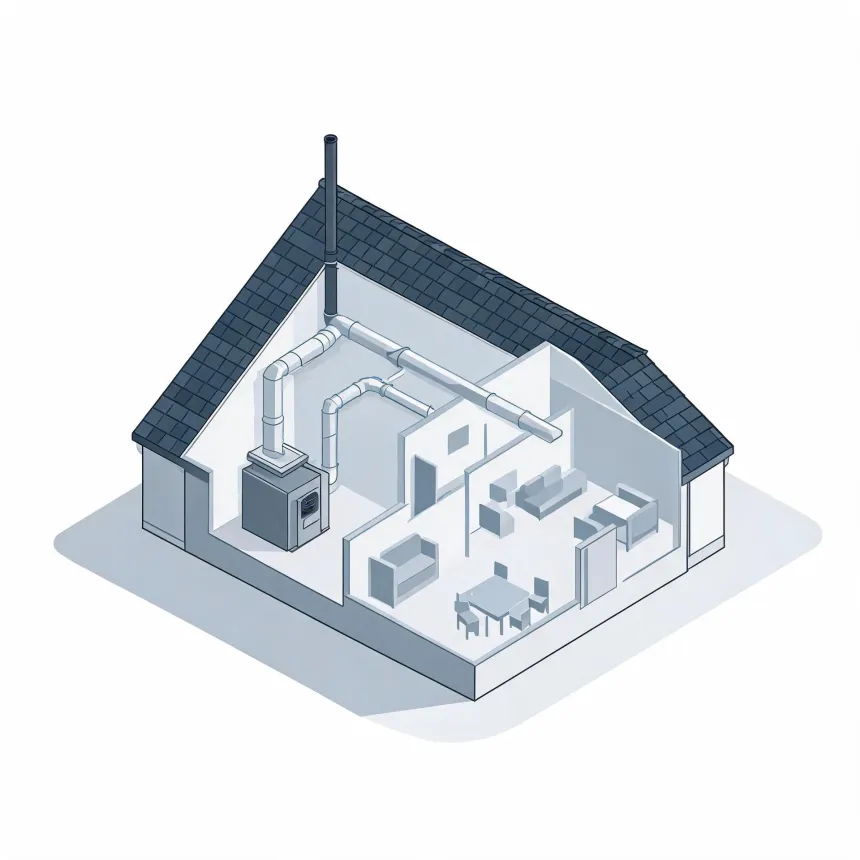
Isometric cutaway illustration of a house with a shingled gable roof, showing a gray furnace unit connected to overhead ductwork and a chimney flue, with simplified furniture in the rooms below.
Your furnace works hardest from November through March.

NOAA nClimDiv, 1991–2020 normals

Half the homes in Foster County were built in 1973 or earlier.

A furnace that old is well past a normal lifespan, even if it's been swapped out since the house was built.

September is when a weak furnace gets found out

Heat runs September through May
Winter nights average 3°F
Climate zone 6A

A furnace acting up in Carrington is worth looking at now, not after the next cold snap hits. Nine months of runtime doesn't leave much slack for a part that's already struggling. A weak igniter or a blower motor that's working too hard tends to get worse, not better, once January settles in. A proper diagnosis finds what's actually failing, rather than just treating the symptom, so the fix holds through the rest of the winter instead of giving out again.

Know what you're repairing before you repair it

If your furnace is original to the house, there's a decent chance it's older than it feels. Worth finding out what's actually in there before you spend money on a repair that only buys you a few more months.

Find a contractor
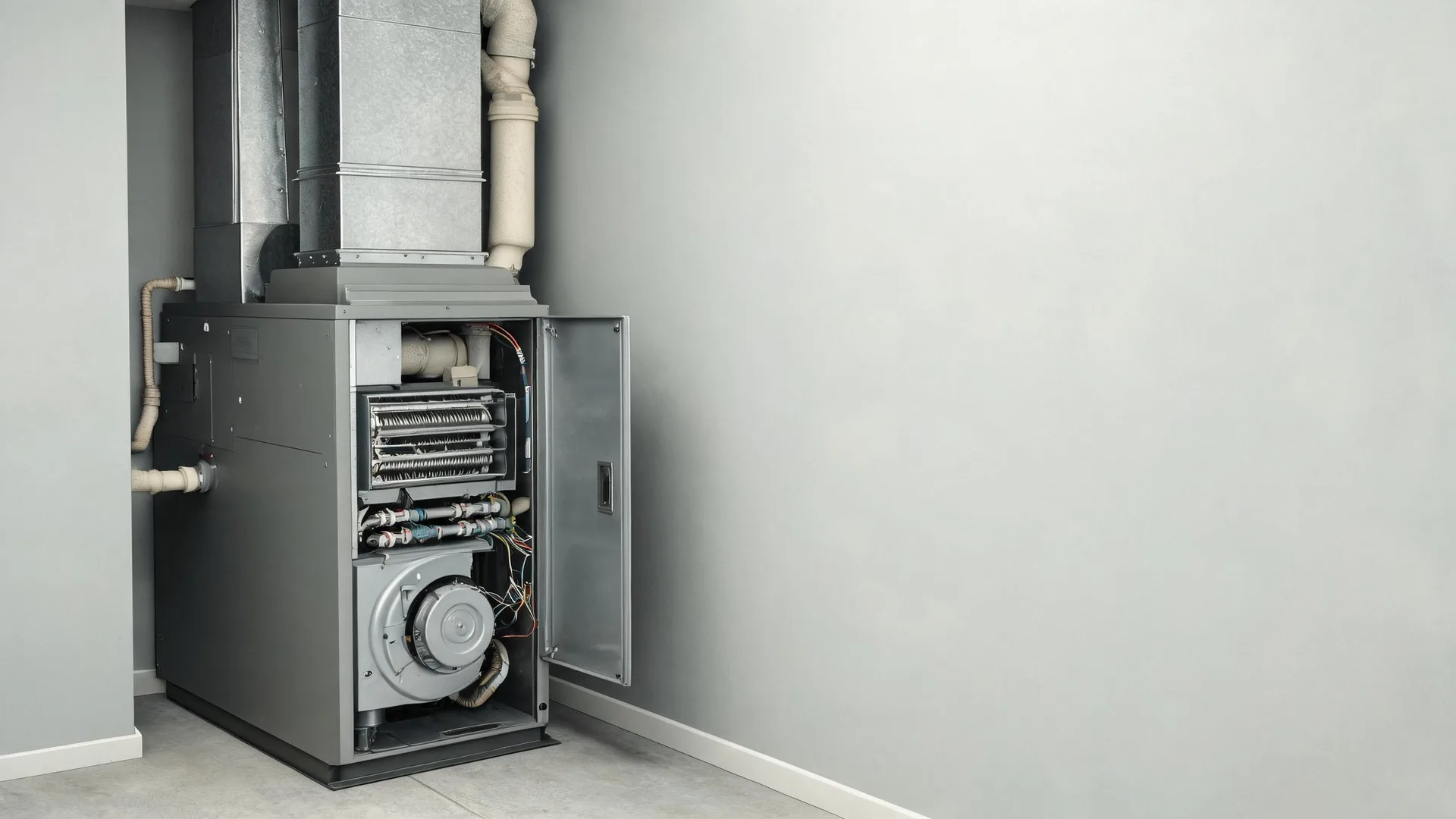
A gas furnace with attached ductwork, gas piping, and condensate lines installed in a concrete-block basement.

What actually wears out, and why

Most furnace failures trace back to the same handful of parts, worn down by nothing more than ordinary cycling. The igniter is first on the list. It heats up and cools down every single cycle, and that repeated stress is eventually what cracks it. A blower motor is next. It's running or ramping up and down for as long as the system calls for heat, and the bearings inside it wear the way any motor's do with enough hours on it. Flame sensors coat over with a film that builds up cycle after cycle, until the furnace reads it as no flame at all and shuts itself down as it's supposed to. Capacitors lose their charge slowly over years of starts. None of this is damage from one bad night. It's the ordinary toll of a machine that turns on and off, over and over, for as long as the house needs it to.

What you can check yourself

Check that the thermostat is set to heat and the setting is above room temperature. Check the furnace switch, it looks like a light switch near the unit, and make sure it's on. Check the breaker it runs on. Check the air filter, a filter clogged with dust can choke airflow badly enough that the furnace shuts itself off as a safety measure. If yours has a standing pilot, see if it's lit.
What to leave alone

Don't take the cover panels off the furnace. Most furnaces have a door switch that kills power when the panel is off, so the system won't run anyway, and what's behind it isn't something to diagnose by eye. If you smell gas, don't flip switches or check anything yourself. Leave the house and call the gas company from outside.

A furnace usually gives some warning before it quits outright. Short cycling is one, where it fires up, runs for a short stretch, and shuts off before the house warms at all. That often points to a flame sensor reading dirty or a limit switch tripping because airflow is restricted somewhere. A furnace that runs long and steady but never quite gets the house to temperature points at a different problem, more like a blower that's lost some strength or a duct issue. Listen for a boom at startup, since that means gas is building up before it catches instead of lighting clean. A burning smell the first time it runs after sitting idle for a while is usually fine, that's dust burning off the heat exchanger. The same smell showing up every cycle isn't. Cold air out of the vents, a smell of gas, or a furnace that won't stay running at all are the ones that mean stop using it and get it looked at.

Age by itself doesn't mean replace it. A furnace that's original to the house but still lighting clean, running quiet and holding temperature can keep going a while yet with the right repairs. What matters more is what's actually failing and how often. One igniter replacement on a furnace that's otherwise sound is just a repair. A heat exchanger that's cracked is a different conversation, since that's the part that keeps carbon monoxide out of the air you breathe, and it's not something to patch. If the same furnace keeps coming back with a new problem every winter, that pattern matters more than any single repair bill. A tech who's actually inside the cabinet can tell you whether you're looking at one worn part or a unit that's failing all over at once.