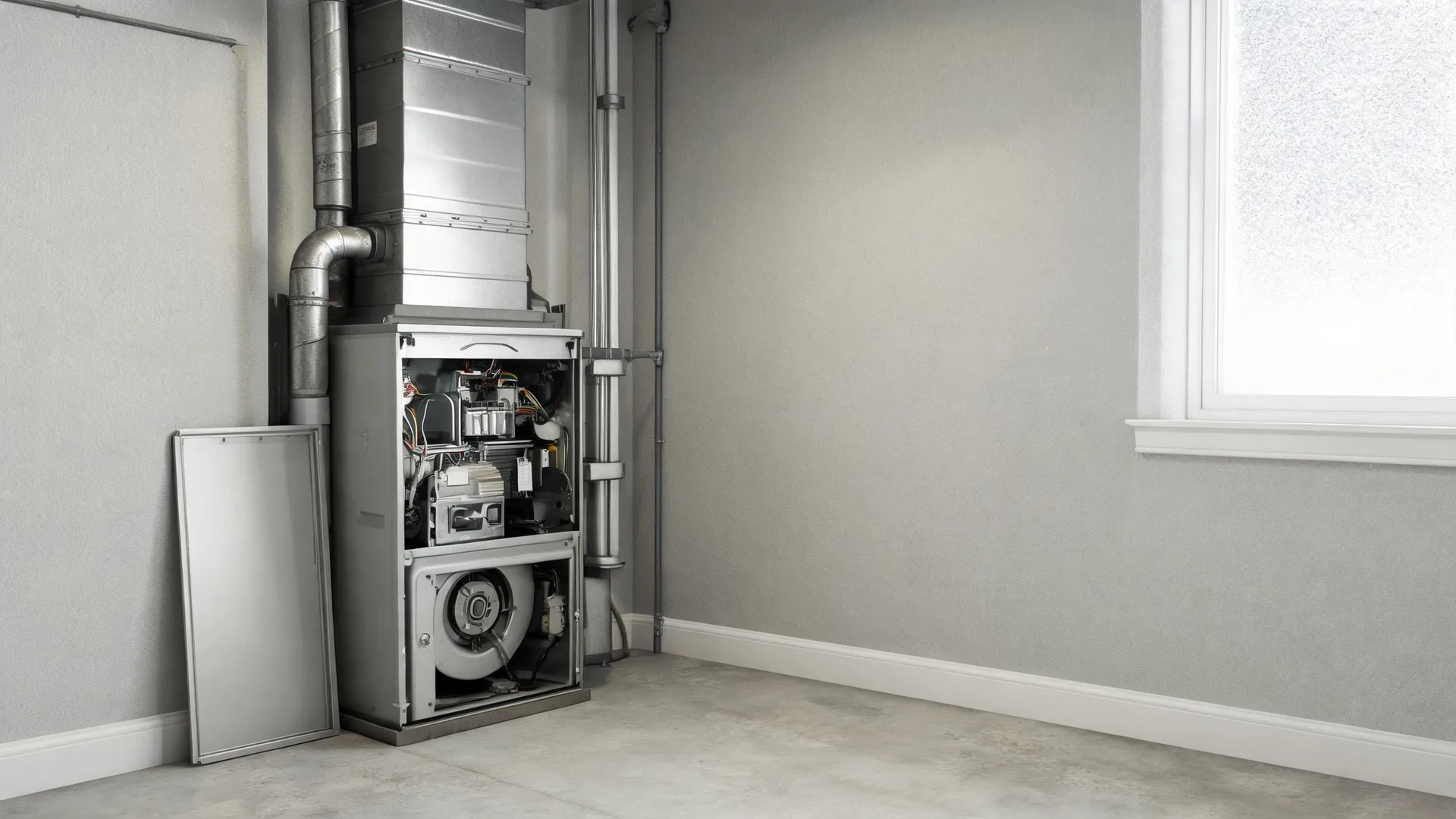
Nine months of heat a year
Furnaces in Burleigh County run from September through May. Overnight lows average 5 degrees across December, January and February. That's a long season of hard work for a burner and blower, not just a few cold snaps.
Takes about a minute. No obligation.
Furnaces in Burleigh County run from September through May. Overnight lows average 5 degrees across December, January and February. That's a long season of hard work for a burner and blower, not just a few cold snaps.
A furnace cycling for most of the year wears parts faster than one that only kicks on now and then. Whatever is acting up on your furnace has likely been building for a while, not just since the weather turned cold.
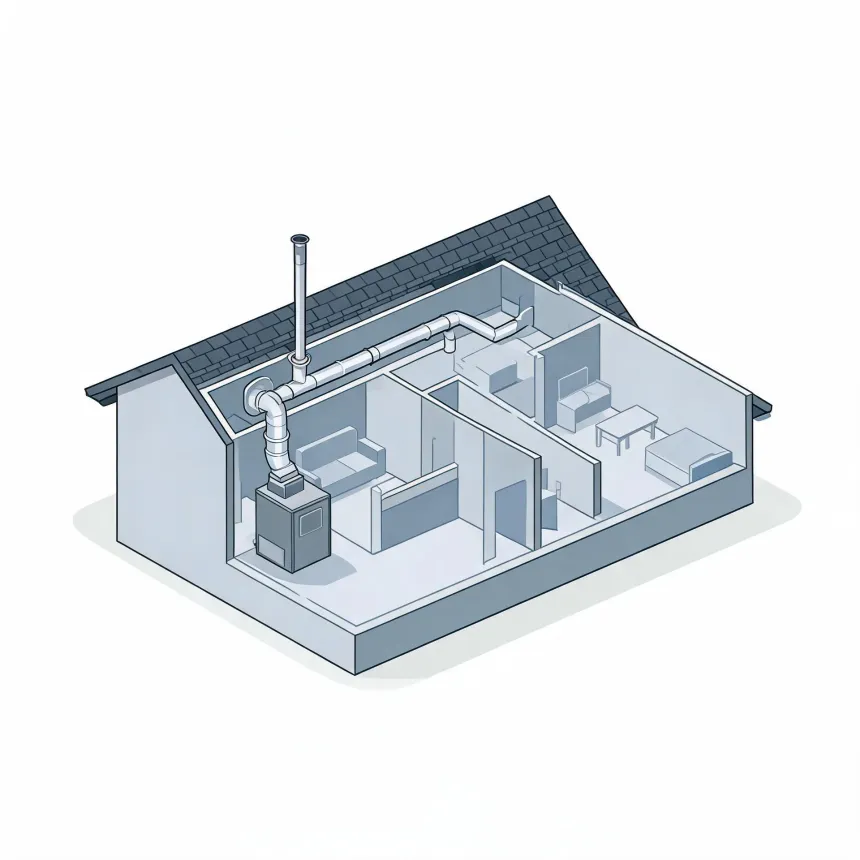
NOAA nClimDiv, 1991–2020 normals
Check the thermostat batteries and the furnace switch before anything else. A dead battery or a switch bumped to off looks exactly like a broken furnace.
If the furnace runs but the air feels cool, check the filter. A clogged one can be the whole problem, or it can be hiding a bigger one underneath.



A furnace that runs this much needs a real diagnosis, not a guess. Get someone out who will check the igniter, the flame sensor and the blower motor rather than swapping the first part that looks worn. A short in a fix now means another visit in February when it's 5 below outside. If the burner or blower has been under this kind of load for years, the part that finally gave out is rarely the only one close to the edge.
If your furnace came with the house, there's a good chance the house is from 1988 or later. That furnace still has working life in it. Get the broken part diagnosed and repaired instead of planning for a replacement.
Find a contractor
A furnace that's struggling still tries to do its job, and that's the problem. A cracked heat exchanger keeps heating. A failing limit switch keeps tripping and resetting instead of shutting things down for good. A blower motor with a going-bad bearing keeps spinning, just louder and hotter each day, until it seizes. None of these fix themselves by running more. The flame sensor coated in residue will keep misreading the flame until the furnace finally locks out and won't start at all. Keep running it past the first signs and you're not getting more heat out of it, you're pushing a worn part toward the point where it takes something else down with it.
Every time the furnace fires, the igniter heats up to light the gas, then cools back down. That repeated heating and cooling is what eventually cracks it. It's normal wear, not a sign anything was done wrong, and it's one of the most common reasons a furnace won't start at all.
A dirty flame sensor reads the flame wrong and shuts the burner off as a safety measure. A clogged filter starves the blower and can overheat the heat exchanger. Neither of these means the furnace is wearing out. They mean something needs cleaning, and the furnace will run fine again once it is.
Estimates for a typical Burleigh County home, compared with an older unit built to the previous federal minimum, from EIA household energy data, North Dakota fuel prices and NOAA climate normals. Your home will differ.
Repair makes sense when one part has failed and the heat exchanger is sound.
Replacement makes sense when the heat exchanger is cracked or the furnace keeps needing parts.
A diagnostic visit starts with the thermostat call, confirming the furnace is actually getting a signal to run. From there it's a sequence. Does the inducer motor start. Does the igniter glow or spark. Does the gas valve open. Does the flame sensor see a flame and let it stay lit. Each step rules things in or out. A tech pulls the flame sensor and looks at it rather than guessing, checks the limit switch, and watches a full cycle instead of stopping once the burner lights. A furnace can start up fine and still fail partway through a cycle, so a visit that ends the moment it fires hasn't actually confirmed anything.