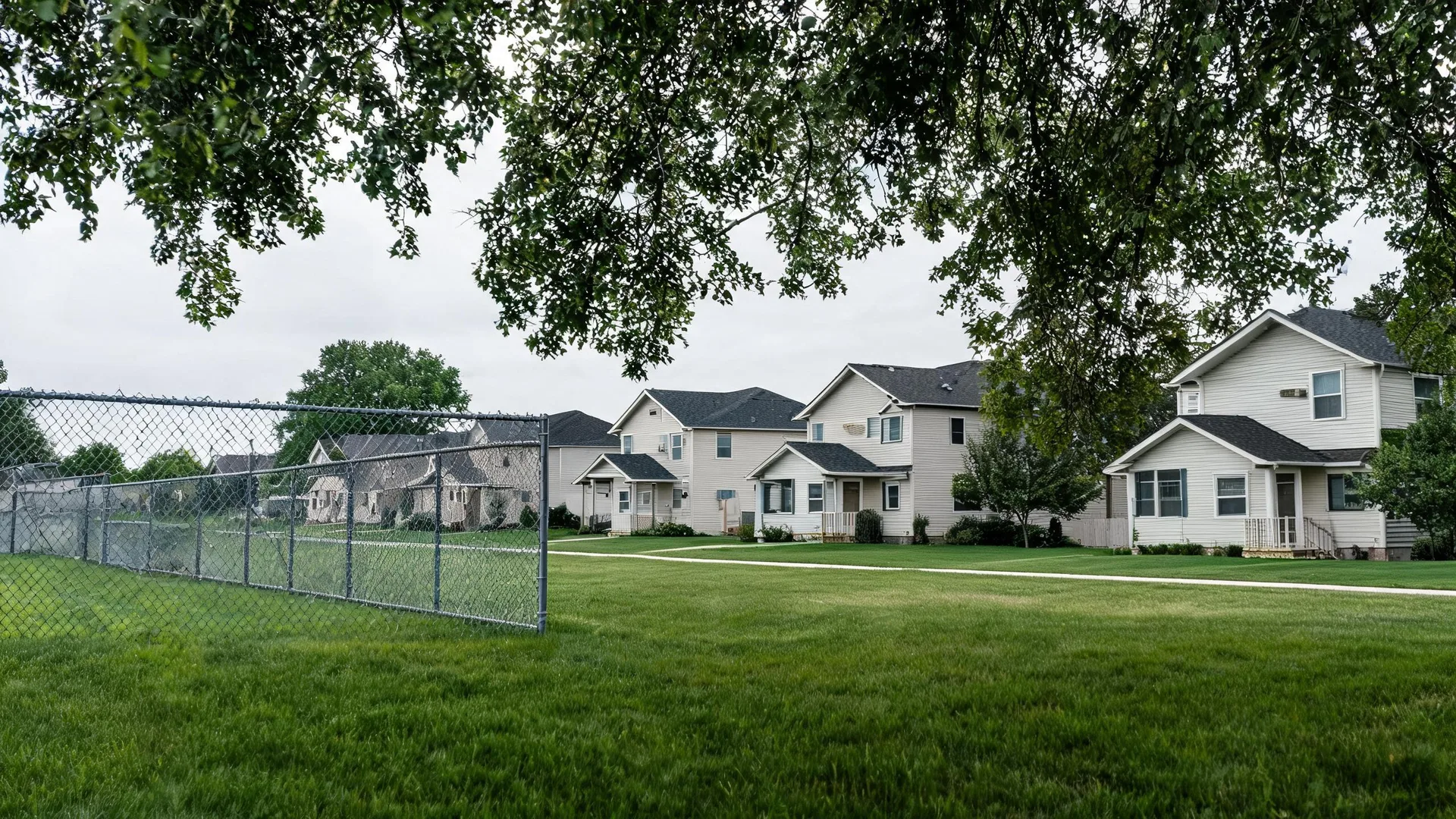





A row of light-colored two-story houses behind a mown grass field, with a chain-link fence at left and overhanging tree branches framing the top of the frame under an overcast sky.

Furnace Repair in New England, ND

Tell us about the job

Takes about a minute. No obligation.

RepairFurnace or heatingHettinger County, ND
Step 1 of 2

What ZIP code is the job in?

Nine months of heat a year is a long stretch for any furnace. Homes here run from September clear through May, which means the burners, the igniter and the blower motor get a short break and then go right back to work. A furnace in a milder state might idle for half the year. Yours doesn't get that chance. That kind of steady use wears parts down earlier than you'd expect, and small issues, a flickering igniter or a blower that cycles oddly, tend to show up well before the system is old. Worth having someone look at what's actually failing rather than guessing.

9 months
September through May, your furnace is on duty
8°F
the average winter night it heats against
20 winter storms
in ten years, the nights a failure hurts most
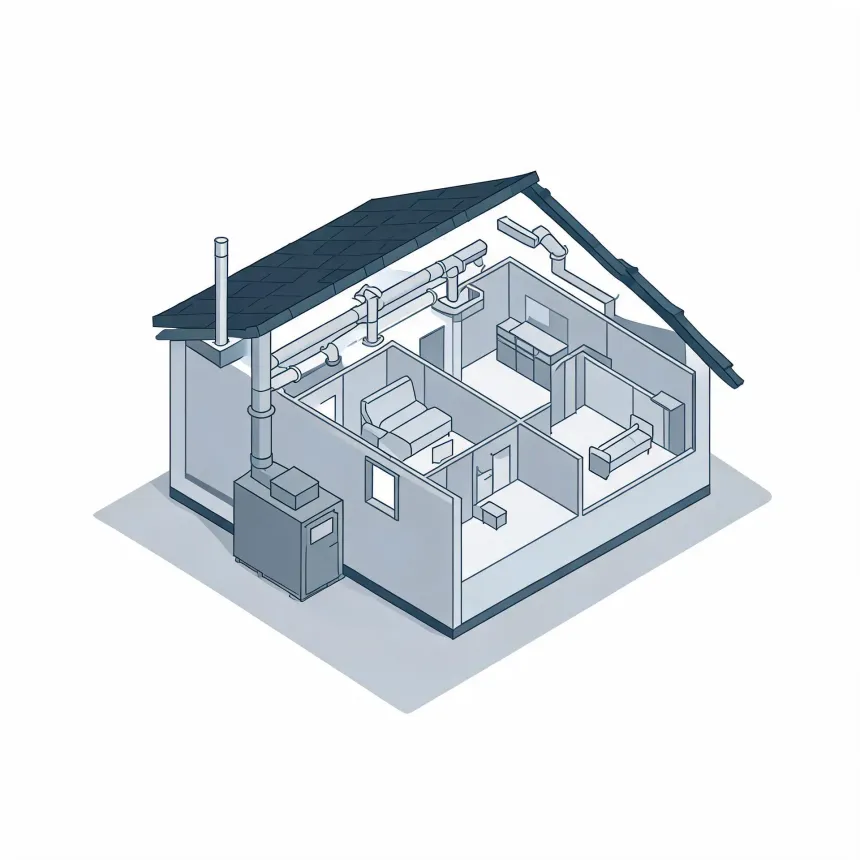
Isometric line illustration of a cutaway single-story house showing interior rooms with furniture, ceiling ductwork, a chimney flue, and a furnace unit outside the exterior wall.
Your furnace works hardest from November through March.

NOAA nClimDiv, 1991–2020 normals

Natural gas ran $8.44 per million Btu in North Dakota in 2024.

A furnace that's cycling too much or struggling to light is burning that gas without heating the house right.

Half these furnaces are older than the house's last roof

Half the homes here were built by 1964
Heat runs September through May
Winter nights average 8°F
Nine Months of Work, Starting in SeptemberHeat goes on in September here, so a weak part gets found fast.

A furnace that short cycles or won't light right the first time is still pulling gas every time it tries. That's gas you're paying for at North Dakota rates, not something that fixes itself. The longer it limps along, the more of those failed tries add up over a long winter. Waiting doesn't save you anything here. Getting the actual fault found, whether it's the igniter, the gas valve or something with the blower, stops that waste sooner than letting it ride.

Get the Actual Problem Found

This furnace doesn't get much downtime between September and May. Whatever's already wearing out will keep wearing under that kind of use. A proper diagnosis finds the actual part now, before more of the winter puts hours on it.

Find a contractor
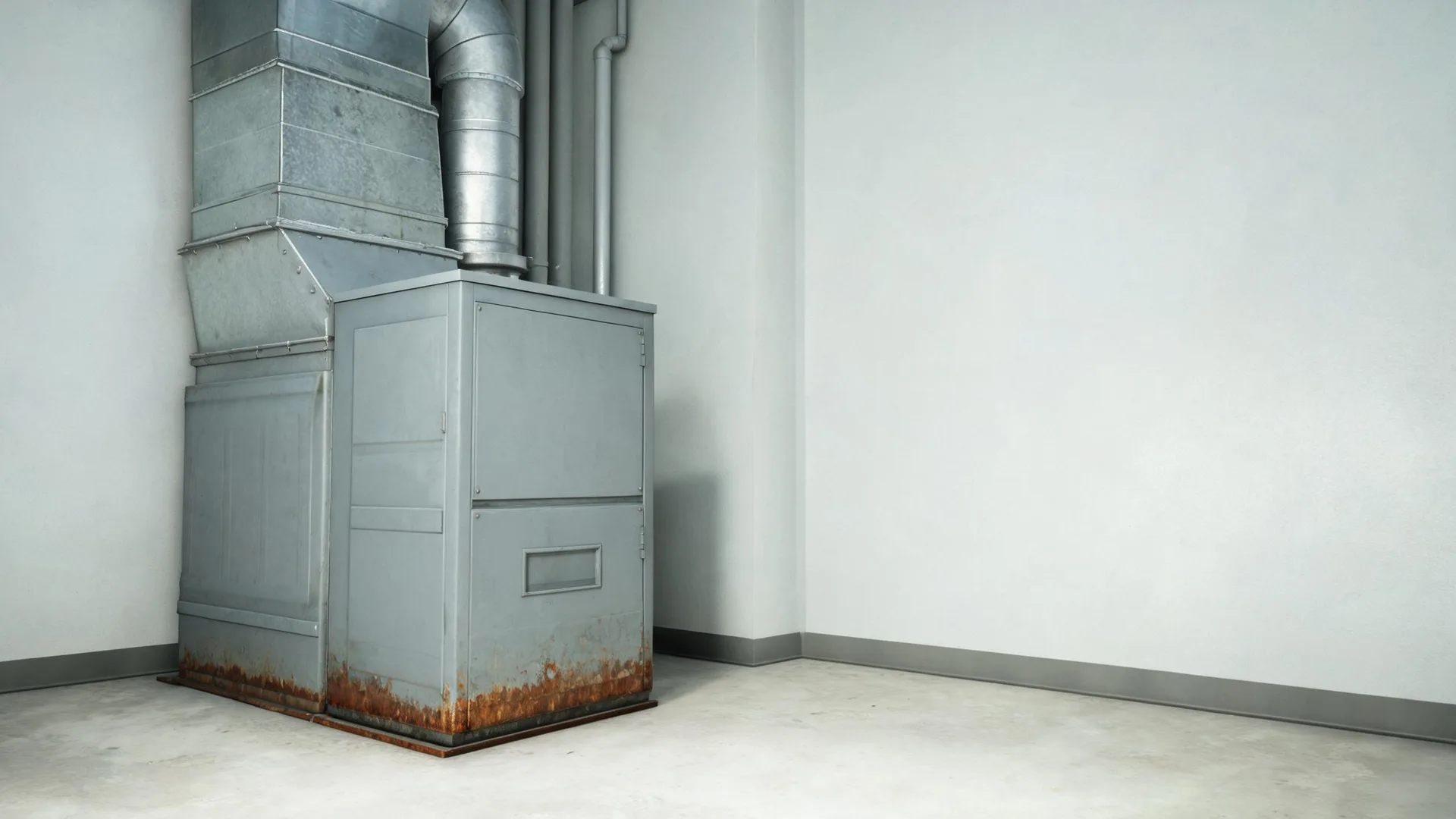
A gray residential gas furnace installed in an unfinished basement, surrounded by ductwork, a metal flue pipe, and a gas supply line.

If the House Is Older, Ask About the Furnace's Age Too

Half the homes in this county went up in 1964 or earlier. If yours is one of them, the furnace almost certainly isn't original, but it may be the second or third one the house has had. An older furnace that's starting to act up is worth asking about directly: how many years does this one have left, and is this repair worth putting money into or better spent toward a replacement. That's a fair question to put to whoever comes out, before they start on the repair, not after.

What You Can Check Yourself

Look at the thermostat first. Make sure it's set to heat and the set temperature is actually above room temperature. Check the furnace switch, the one that looks like a light switch near the unit, and make sure it hasn't been bumped off. Go to the breaker panel and check that the furnace breaker hasn't tripped. If you have a standing pilot, look through the little window and see if the pilot light is lit. None of this takes tools, and it rules out the simple stuff before anyone comes out.

Where to Stop

The furnace filter is worth a look too. Pull it out and hold it up to a light. If you can't see light through it, swap it for a new one, since a clogged filter can choke airflow and cause all kinds of odd behavior. Past that, leave it alone. Opening the burner compartment, poking at the gas valve, or resetting the system over and over when it won't light are jobs for someone who does this for a living. A furnace that keeps trying to light and failing is burning gas each time it tries, so that's not one to keep testing on your own.

An unfinished basement featuring a forced-air furnace, exposed wooden ceiling joists, bare concrete walls, and miscellaneous items including cardboard boxes and coiled cables on the floor.

A new furnace would cut about $110 a year off heating for a typical Hettinger County home.

  • A new high-efficiency furnace$440 a year
  • An older furnace$550 a year

Estimates for a typical Hettinger County home, compared with an older unit built to the previous federal minimum, from EIA household energy data, North Dakota fuel prices and NOAA climate normals. Your home will differ.

Repair makes sense when one part has failed and the heat exchanger is sound.

Replacement makes sense when the heat exchanger is cracked or the furnace keeps needing parts.

A repair is worth it when the problem is one part acting up and the rest of the furnace is sound. A new igniter, a new flame sensor, a new blower capacitor, these are straightforward jobs on a furnace that's otherwise running the way it should. Replacement starts to make more sense when the failures move around: the igniter last year, the draft inducer this year, and now the heat exchanger is showing rust or a crack. A cracked heat exchanger especially isn't something to repair around, since it can let exhaust mix into the air the blower pushes through the house. Age matters less than the pattern. A furnace that needs something different every season is telling you it's worn out generally, not failing in one spot.