




A snow-covered residential street at twilight with illuminated houses, bare trees, and an orange horizon glow beneath a deep blue sky.

Furnace Repair in Grafton, ND

Tell us about the job

Takes about a minute. No obligation.

RepairFurnace or heatingWalsh County, ND
Step 1 of 2

What ZIP code is the job in?

Furnaces in Walsh County run nine months out of the year, from September clear through May. That's most of the calendar spent with the burner firing and the blower running. A furnace built for a milder place might cycle on and off a few months a year and rest the other eight. Yours doesn't get that rest. The igniter, the blower motor, the pressure switch, all of them are logging hours most furnaces never see. So when something starts acting up here, it's rarely bad luck. It's usually just a part that's finally worn to where it quits.

9 months
September through May, your furnace is on duty
1°F
the average winter night it heats against
102 winter storms
in ten years, the nights a failure hurts most
Isometric cutaway illustration of a house with a shingled gable roof, showing a gray furnace unit connected to overhead ductwork and a chimney flue, with simplified furniture in the rooms below.
Your furnace works hardest from November through March.

NOAA nClimDiv, 1991–2020 normals

Half the furnaces in Walsh County are heating a house built in 1971 or earlier.

A furnace that old has likely been replaced once already, so this repair might be the last one worth paying for.

A furnace running this much, on this gas bill, isn't cheap to run badly

Climate zone 7
Heat runs September through May
Winter nights average 1°F

September is when heat gets turned on for the first time since spring, and that's when a weak part usually gives out. A furnace that's been sitting quiet since May doesn't tell you it has a failing igniter or a sticking pressure switch, not until it's asked to run. The first hard call for heat in Walsh County comes early, long before the overnight lows settle in near zero in December and January. If something was marginal last spring, it's likely to fail now, right at the start, not months from now when you need it most. Getting it looked at in these first weeks beats waiting for a January night to find out.

Your Furnace Has Earned Its Problem. Get It Fixed Right.

Nine months of runtime wears parts down faster here than in most places, and that's usually what's behind whatever your furnace is doing right now. A proper diagnosis finds the actual part before it takes anything else out with it. Get it looked at and fixed right, so the repair holds.

Find a contractor
A gas furnace with attached ductwork, gas piping, and condensate lines installed in a concrete-block basement.

Know what you're repairing before you pay for it

If your furnace came with the house and the house dates back to 1971 or earlier, ask the technician straight out how much life is left in it before you pay for this repair. A furnace that's already outlasted one replacement cycle can still be worth fixing, a cracked heat exchanger or a dying blower motor is a different conversation. Get a real answer before you spend on a part for a furnace that might not need much more from you.

What you'll notice first

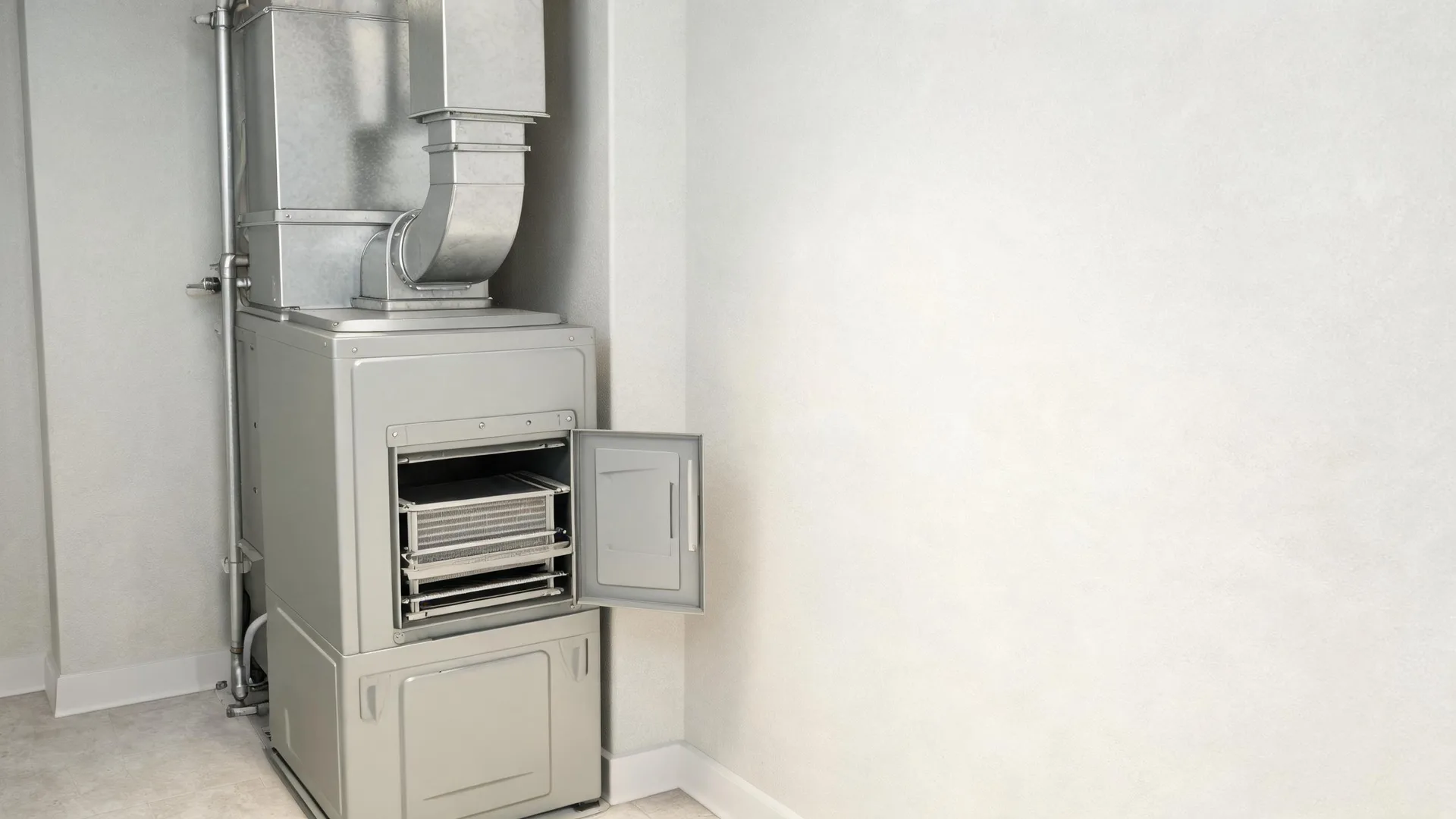
A furnace that's struggling usually tells you before it quits outright. It short cycles, running for a few minutes and shutting off before the house warms up. It blows air that's cooler than it should be. It makes a noise it didn't used to make: a rattle from the blower wheel, a bang from the burner compartment when it lights, a squeal that fades once it's running. The flame behind the sight glass should burn steady and blue. Yellow, flickering, or lifting off the burner means something's off with combustion, not just comfort.

What a sign like that means for you

None of these on their own tell you which part is failing, and that's fine, that's not your job to diagnose. What matters is timing. A furnace that short cycles or won't stay lit is usually a safety switch doing its job, shutting things down before a bigger failure happens. Keep running it or keep resetting it and you risk the part it's protecting, the heat exchanger or the blower motor. The noise or the weak heat is your warning. Getting it looked at before it stops entirely is what keeps this a repair instead of a replacement.

An unfinished basement containing a gas furnace with ductwork in the foreground and miscellaneous stored items along the far concrete wall.

A new furnace would cut about $120 a year off heating for a typical Walsh County home.

  • A new high-efficiency furnace$500 a year
  • An older furnace$620 a year

Estimates for a typical Walsh County home, compared with an older unit built to the previous federal minimum, from EIA household energy data, North Dakota fuel prices and NOAA climate normals. Your home will differ.

Repair makes sense when one part has failed and the heat exchanger is sound.

Replacement makes sense when the heat exchanger is cracked or the furnace keeps needing parts.

A diagnostic call starts before any panel comes off. The technician asks what the furnace was doing: short cycling, blowing cool air, making a noise, not lighting at all. Then the panels come off and the test light comes out. Voltage gets checked at the igniter, the flame sensor gets checked for a clean signal, the pressure switch gets tested to see if it's reading the draft correctly. A dirty flame sensor reads differently than a cracked one, and a weak inducer motor shows up differently than a blocked vent. Each test rules something out until one thing doesn't check out. That's the failed part, and it's usually the only one replaced. A good diagnosis doesn't guess and swap parts until something works. It finds the one component actually causing the problem and leaves the rest of the furnace alone.