Ten months of heat a year
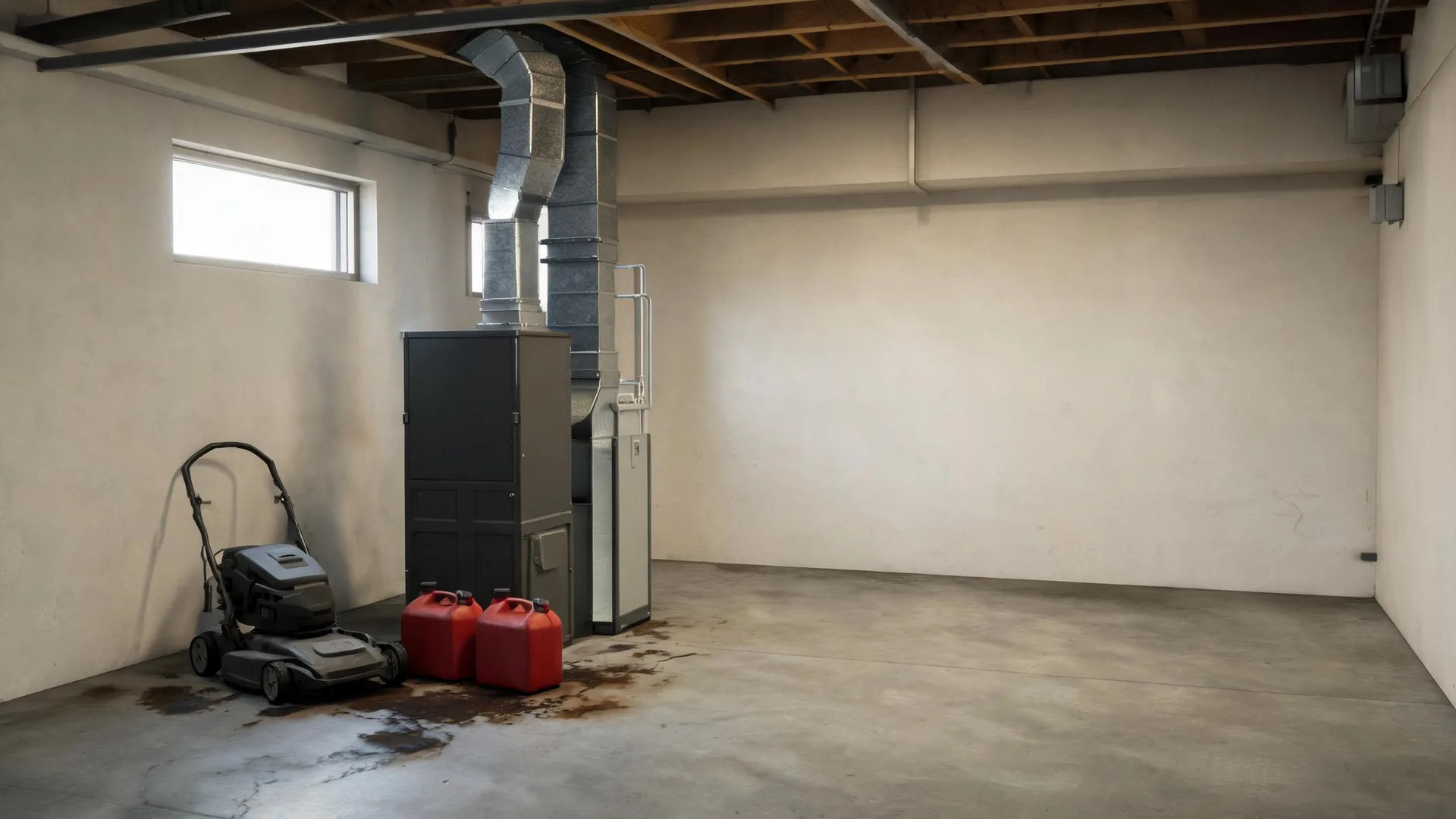
Furnaces in Mountrail County run from September through June. That's most of the year asking a lot of the same igniter, blower and heat exchanger.
Takes about a minute. No obligation.
Furnaces in Mountrail County run from September through June. That's most of the year asking a lot of the same igniter, blower and heat exchanger.
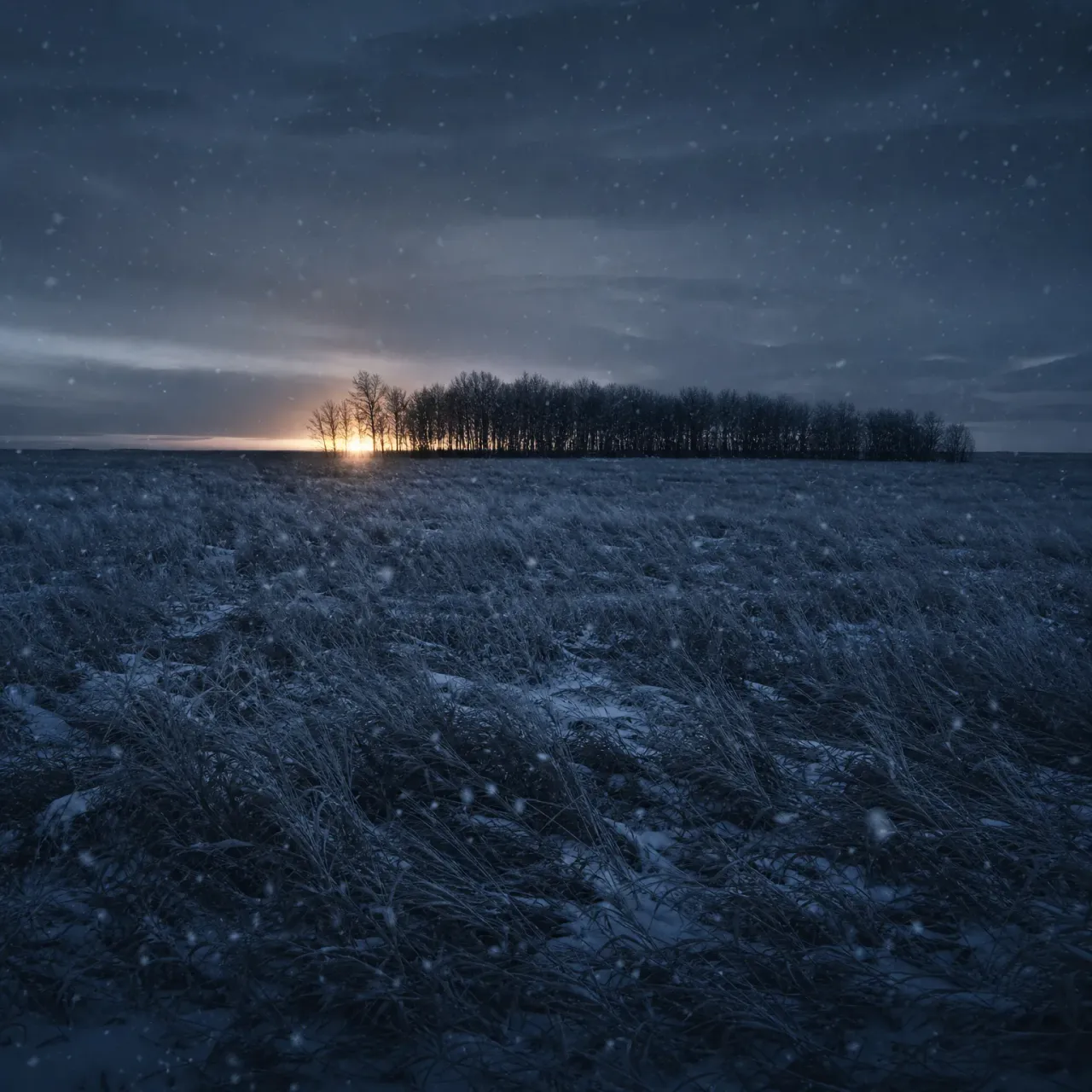
When the overnight average for December through February sits at 4°F, a furnace is cycling on hard and often. That kind of load is usually what's behind a breakdown, not a one-off defect.
NOAA nClimDiv, 1991–2020 normals
Electricity in North Dakota ran $33.73 per million Btu in 2024.
A furnace limping along on a cracked igniter or a weak blower motor burns that rate every time it cycles on.



A furnace running this hard since September rarely fails without some warning first. Maybe the burner sounds different. Maybe the blower runs longer than it used to, or the start takes a second longer each time. A weak flame sensor and a cracked heat exchanger can look the same from the thermostat, so guessing at the cause usually means a second visit. A contractor who checks the part under load finds out which one it is before it leaves you without heat on a night near 4 below.
At $33.73 per million Btu, every extra cycle a bad igniter or weak blower forces shows up on the bill. Get the part found and fixed before another cold stretch runs it harder.
Find a contractor
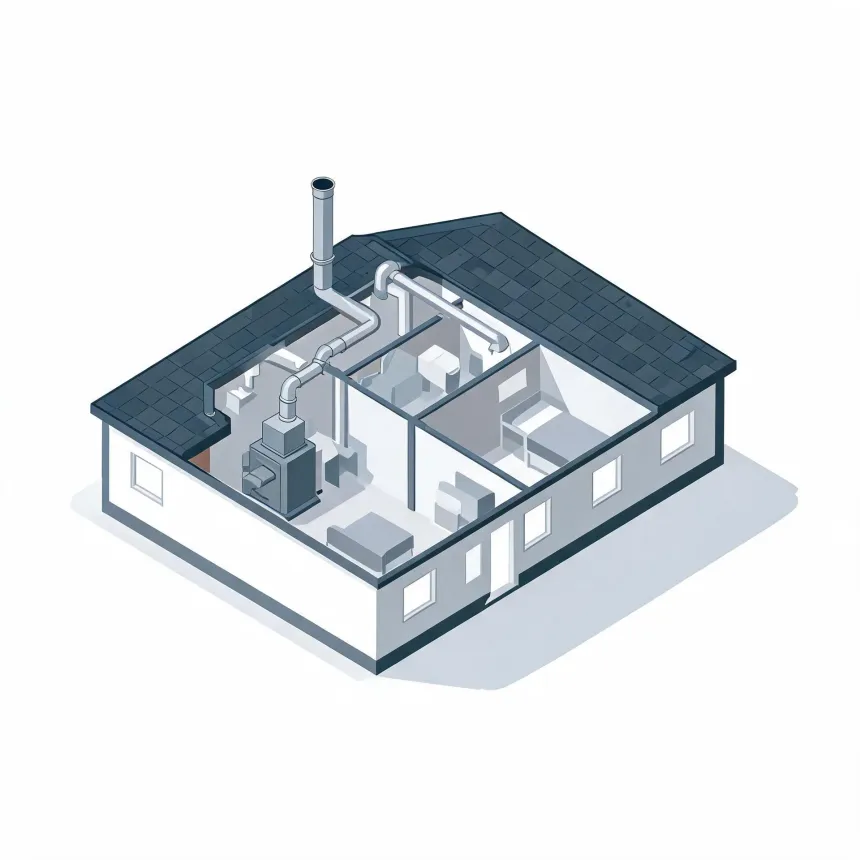
If your furnace came with a house built in 1997 or later, call a repair before you think about replacing it. Parts for a furnace that age are still in production, and the time-lapse above is exactly what that furnace is built to handle for years yet. Ask the contractor to confirm the part is still made before any talk of swapping the whole unit.
Look at the thermostat first. Make sure it is set to heat and the temperature is above room temperature. Check the furnace switch, the one that looks like a light switch near the unit, and make sure it hasn't been bumped off. Check the breaker it runs on. If the furnace uses a standing pilot, look for the flame through the sight glass. If it uses an igniter, that part is not something to test yourself.
Do not pull the burner compartment open or reach near the heat exchanger. A cracked heat exchanger can leak into the air a furnace pushes through the house, and that's not something to find by looking. If the furnace trips its breaker more than once, stop resetting it and leave it off until someone can check what's pulling the extra current.
A furnace usually tells you before it quits. The blower might kick on louder than it used to, or run on after the house hits temperature instead of shutting off clean. Short cycling is another sign. It fires, runs a couple minutes, stops, then fires again, often because a flame sensor is losing its read on the flame or a limit switch is tripping from poor airflow. A furnace that takes longer to catch when it starts, or knocks or rattles on startup, is usually wearing out at the igniter or the burner. Any smell of gas, or a yellow flame instead of blue through the sight glass, means shut it down and get it looked at, not watched.
A diagnostic visit starts with questions. A contractor wants to know when the trouble started, what it sounds like, whether it happens every cycle or just some. That narrows things down before any tool comes out. Then the panel comes off and the furnace runs through a full cycle while it's watched. Ignition, flame strength, how the blower responds, how it shuts down. Some parts get checked with a meter instead of by eye. A flame sensor can look clean and still read weak once it's under load. A heat exchanger gets inspected for cracks that won't show up any other way. The point is to catch the furnace doing what it's been doing for you, not just prove it can still run.