



A row of similar two-story houses with gray siding and shingled roofs faces a wide mown lawn, bordered on the left by a chain-link fence and large leafy trees overhead.

Furnace Repair in Marmarth, ND

Tell us about the job

Takes about a minute. No obligation.

RepairFurnace or heatingSlope County, ND
Step 1 of 2

What ZIP code is the job in?

Furnaces in Marmarth run from September clear through to May, nine months out of the year. That's most of the year spent heating a house against lows that average 9°F in December, January and February. A furnace built for that kind of winter is cycling on and off constantly, and the parts that wear, the igniter, the blower motor, the heat exchanger, are getting far more use here than they would somewhere with a short winter. When something starts acting up under that kind of load, it's rarely random. There's usually a real reason, and it's worth having someone find it instead of guessing.

9 months
September through May, your furnace is on duty
9°F
the average winter night it heats against
21 winter storms
in ten years, the nights a failure hurts most
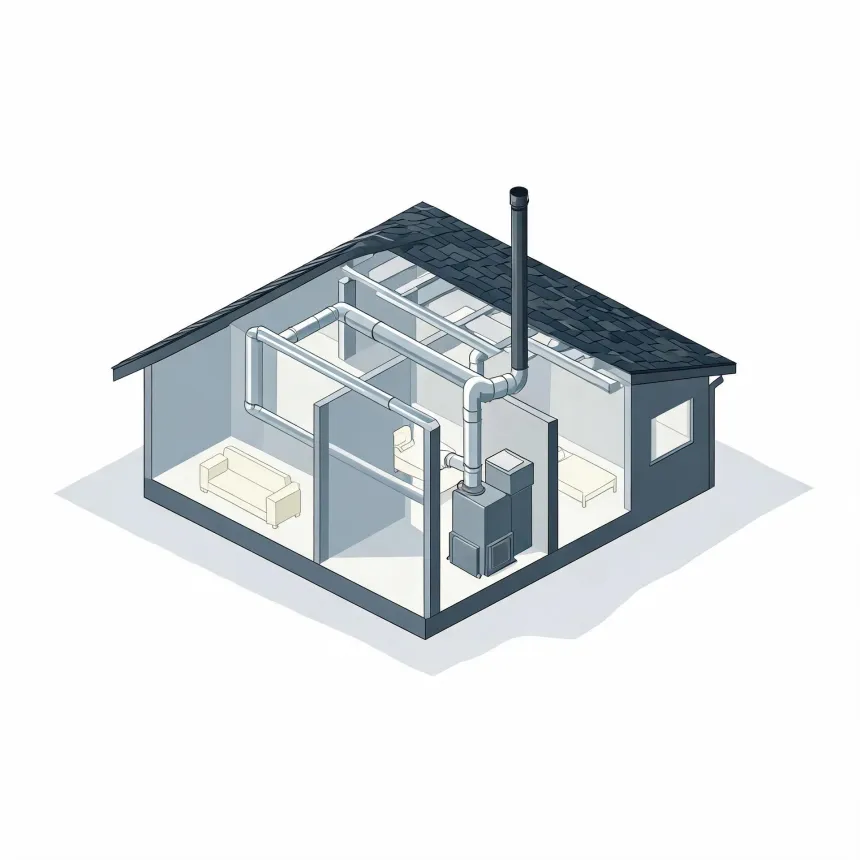
Isometric cutaway illustration of a small single-story house showing a furnace with a flue pipe through the roof and ducting running to rooms containing a sofa, chair and bed.
Your furnace works hardest from November through March.

NOAA nClimDiv, 1991–2020 normals

Half the homes in Slope County were built in 1961 or earlier.

A furnace that came with a house that old is likely closer to the end of its life than the start.

Propane here runs $17.33 per million Btu, and a furnace limping through a nine-month winter burns through it fast

Heat runs September through May
Winter nights average 9°F
Climate zone 6A

Furnace in Marmarth gets turned on in September and runs straight through to May. August is the last easy month to have it looked at, before it has to carry the house for nine months straight. Most breakdowns happen in those first few weeks of use, not partway through the season. A part that was already wearing thin, a weak igniter or a blower motor on its way out, tends to get found the first time the furnace has to run hard, not while it was sitting idle all summer. Getting it checked in August catches that before the cold does.

Find out what's left in it before you pay to fix it

If your furnace came with the house, a repair might be money put into a machine that's already most of the way through its life. Ask the contractor straight. How much is this worth fixing, and how much longer is it likely to run.

Find a contractor
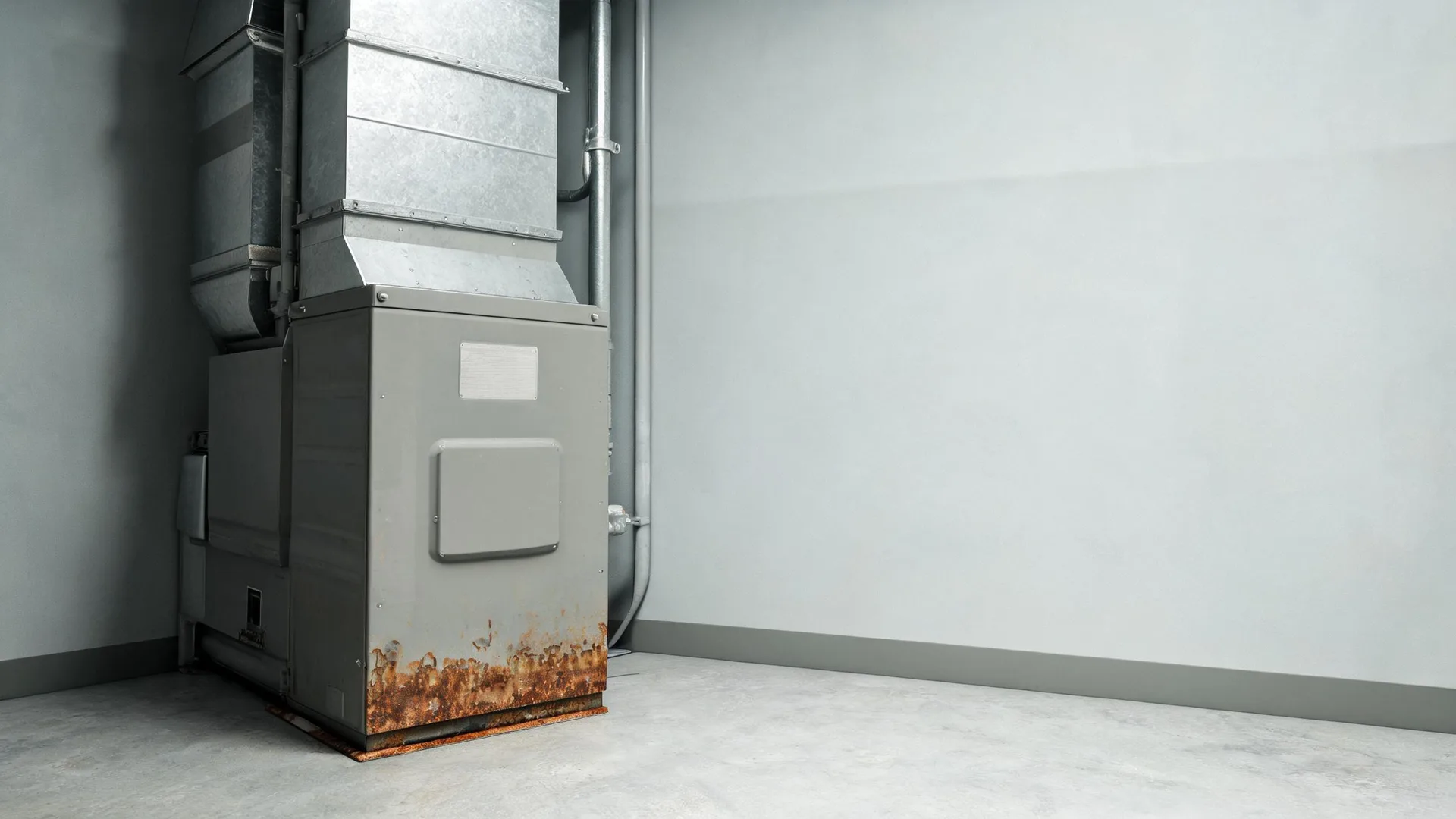
A gray gas furnace with attached ductwork and piping installed in an unfinished concrete basement.

Nine months of runtime wears parts down. Find out which one failed, and why.

A furnace that's already cycling nine months a year doesn't have much slack left in it. When a part starts failing under that kind of load, it's worth knowing which one and why before paying to fix it. A repair on a furnace that's otherwise sound is worth doing. The same repair on one that's already worn thin from years of long winters is just the first of several calls.

What you can check yourself

Check that the thermostat is set to heat and the setting is above room temperature. Look at the filter and swap it if it's gray or clogged, a blocked filter can starve the furnace of airflow and shut it down. Make sure the furnace switch, the one that looks like a light switch near the unit, is flipped on. Check the breaker it runs on. If you have a standing pilot, see if the pilot light is out, the instructions for relighting it are usually printed right on the furnace.

What to leave alone

Don't take the burner compartment apart or go near the heat exchanger. Don't try to relight an electronic ignition system, there's no pilot to light and poking at it can trip a lockout that makes the real problem harder to find. If you smell gas, don't flip switches or light anything, get out and call the gas company from outside the house. A furnace that clicks repeatedly without lighting is trying to tell you something specific, and that's a job for someone with a meter, not a screwdriver.

An unfinished basement containing a gray HVAC furnace with ductwork, exposed wooden joists, a concrete floor, and miscellaneous clutter in one corner.

A new furnace would cut about $210 a year off heating for a typical Slope County home.

  • A new high-efficiency furnace$840 a year
  • An older furnace$1,050 a year

Estimates for a typical Slope County home, compared with an older unit built to the previous federal minimum, from EIA household energy data, North Dakota fuel prices and NOAA climate normals. Your home will differ.

Repair makes sense when one part has failed and the heat exchanger is sound.

Replacement makes sense when the heat exchanger is cracked or the furnace keeps needing parts.

A diagnostic visit starts before any panel comes off. A tech will ask when the trouble started and what the furnace was doing right before. Short cycling, no heat at all, a smell, a sound. Then they run it through a cycle and watch the sequence. Does the inducer motor start. Does the igniter glow or spark. Does the burner light. Does the blower kick on when it should. Most furnace trouble shows up as a break somewhere in that chain, not a dead unit. A meter comes out to check voltage at the igniter or flame sensor, because a part can look fine and still be failing. Once they find where the sequence breaks, they can tell you what failed, why it failed under this kind of use, and whether it's a part worth replacing or a sign the furnace itself is wearing out.