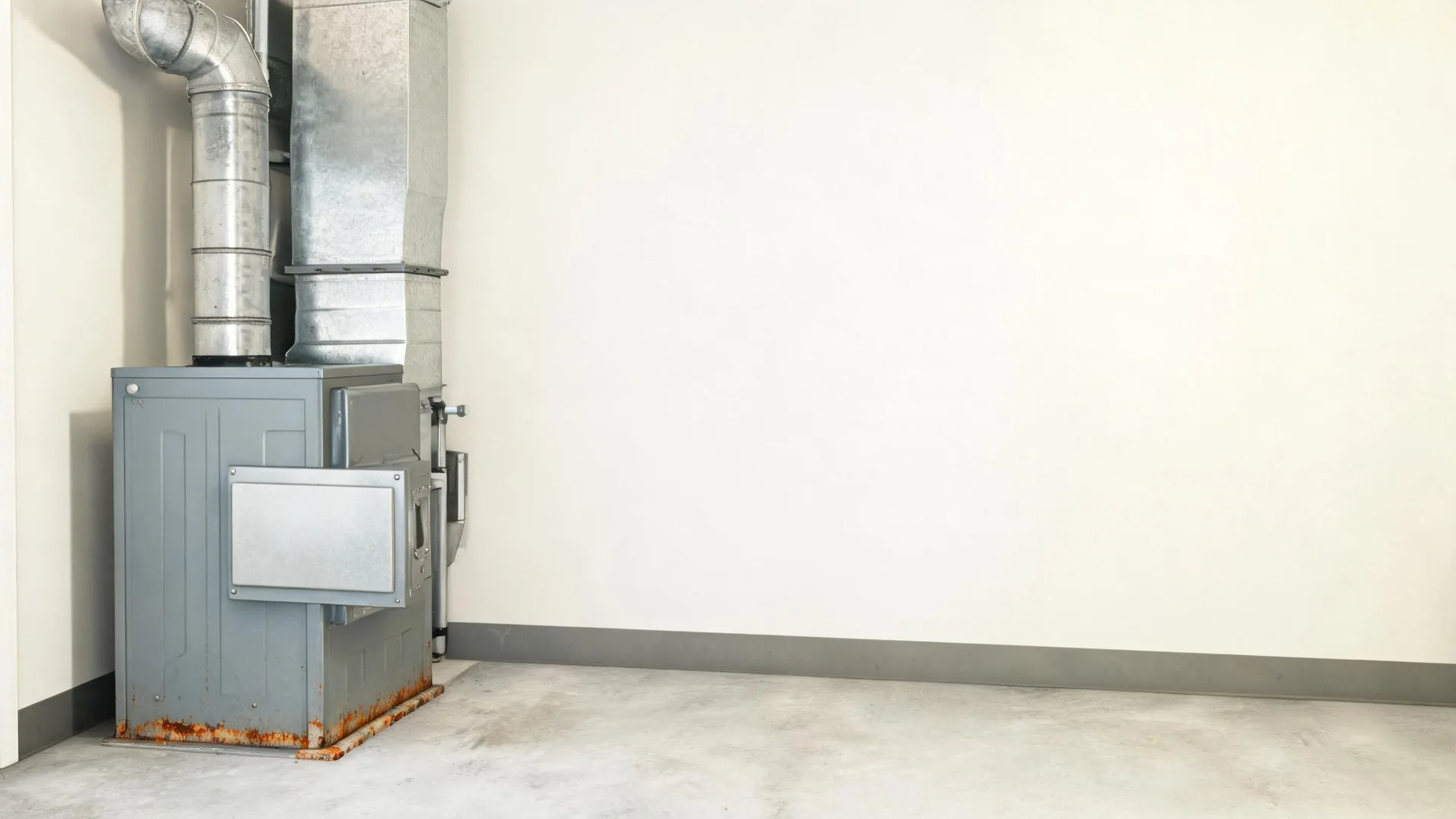
Nine months of heat a year
A furnace in Cass County runs from September through May. That's most of the year asking the same igniter, blower motor and heat exchanger to hold up under constant use.
Takes about a minute. No obligation.
A furnace in Cass County runs from September through May. That's most of the year asking the same igniter, blower motor and heat exchanger to hold up under constant use.
A furnace that runs this long each year wears into trouble sooner than one that only works a few months. When yours starts acting up, it's worth having someone trace the actual cause instead of guessing at a quick fix.
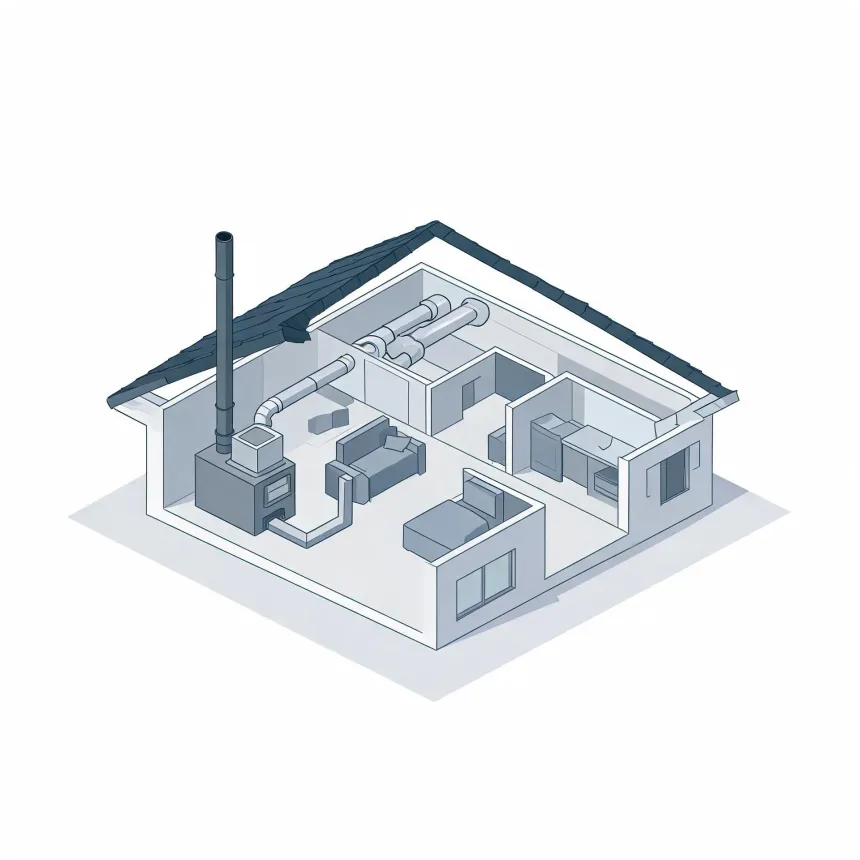
NOAA nClimDiv, 1991–2020 normals
Half the homes in Cass County were built in 1993 or later.
A furnace installed with a newer house has likely had fewer winters to wear it down.



Cass County sees its share of severe weather, 354 events logged between 2015 and 2024. Damaging wind caused 172 of those, hail another 109, and wind or hail hitting the outdoor parts of a heating system is worth checking even when nothing seems wrong afterward. Winter storms hit 68 times over that same stretch. Heavy snow and ice don't just slow you down on the roads, they stress the vents and intake a furnace needs clear to run safely. Power loss is the bigger risk in a cold snap. Statewide, 7% of households went at least a day without power in 2024, and a furnace with no electricity means no heat, regardless of how much propane or gas is behind it. If a storm has come through and your furnace is acting differently since, that's not a coincidence worth ignoring.
Get the cause checked, not just the symptom. A furnace running nine months a year wears into trouble sooner, and a fix that doesn't address why it's struggling tends not to hold.
Find a contractor
If your furnace came in with the house, a newer house means fewer winters behind it. That points toward repair rather than replacement, since the parts inside haven't had as much time to wear down. Worth asking the technician to confirm the install date while they're out, so the fix matches what's actually there.
A furnace rarely quits without warning. It short cycles, running a few minutes and shutting off before the house warms. It blows air that's gone lukewarm. The burner flame looks yellow and ragged instead of steady blue. It clicks and tries to start without catching. Any of these means something inside is already failing, even though you still have some heat for now.
A furnace that won't start at all, one that trips the breaker repeatedly, or one putting off a burning smell that doesn't clear after a few minutes needs attention right away. So does a furnace near a carbon monoxide alarm that's gone off. Waiting on those doesn't make the repair smaller. It just narrows how long you have heat while you wait.
Before you call, there are a few things worth checking yourself. Look at the thermostat first. A dead battery or a setting bumped to off or to cool explains a lot of no-heat calls. Next, check the furnace switch, the one that looks like a light switch near the unit or on it, and make sure no one bumped it off. Check the breaker too. A furnace that tripped its breaker once can usually be reset, but if it trips again right away, stop and leave it off. If you have a gas furnace, look at the filter. A filter clogged with dust chokes off airflow and can cause the burner to shut down on its own as a safety measure. Replacing it is simple and might be all it needs. Beyond that, leave it alone. Opening the burner compartment or working near the gas valve isn't a homeowner job, and a furnace that's tripped its limit switch or won't hold a flame needs someone who can test it properly.
A furnace that's cycling too much or running too long is pulling power the whole time it does it, and at $33.73 per million Btu, that adds up fast when the fix keeps getting put off. The cost of waiting doesn't show up as one big number. It shows up as a few more dollars on every bill between now and when someone finally looks at it. That's the part worth acting on. A furnace that's struggling now will keep struggling, and keep costing, until something changes it.