A two-story black-clad farmhouse with a covered porch and dark shingled roof stands behind a wire fence, framed by tall deciduous trees under an overcast sky, with a blurred green grass field in the foreground.

Furnace Repair in Gwinner, ND

Tell us about the job

Takes about a minute. No obligation.

RepairFurnace or heatingSargent County, ND
Step 1 of 2

What ZIP code is the job in?

Nine months of heat a year

A furnace in Sargent County runs from September through May. That's most of the year asking the igniter, the blower motor and the heat exchanger to cycle on and off, day after day, with barely a break before the next stretch of cold starts the clock again.

Problems show up early here

With a furnace running this many months a year, worn parts don't wait for a convenient time to fail. A noise or a short cycle is worth having looked at now, before the coldest stretch of winter finds the weak part for you.

9 months
September through May, your furnace is on duty
5°F
the average winter night it heats against
57 winter storms
in ten years, the nights a failure hurts most
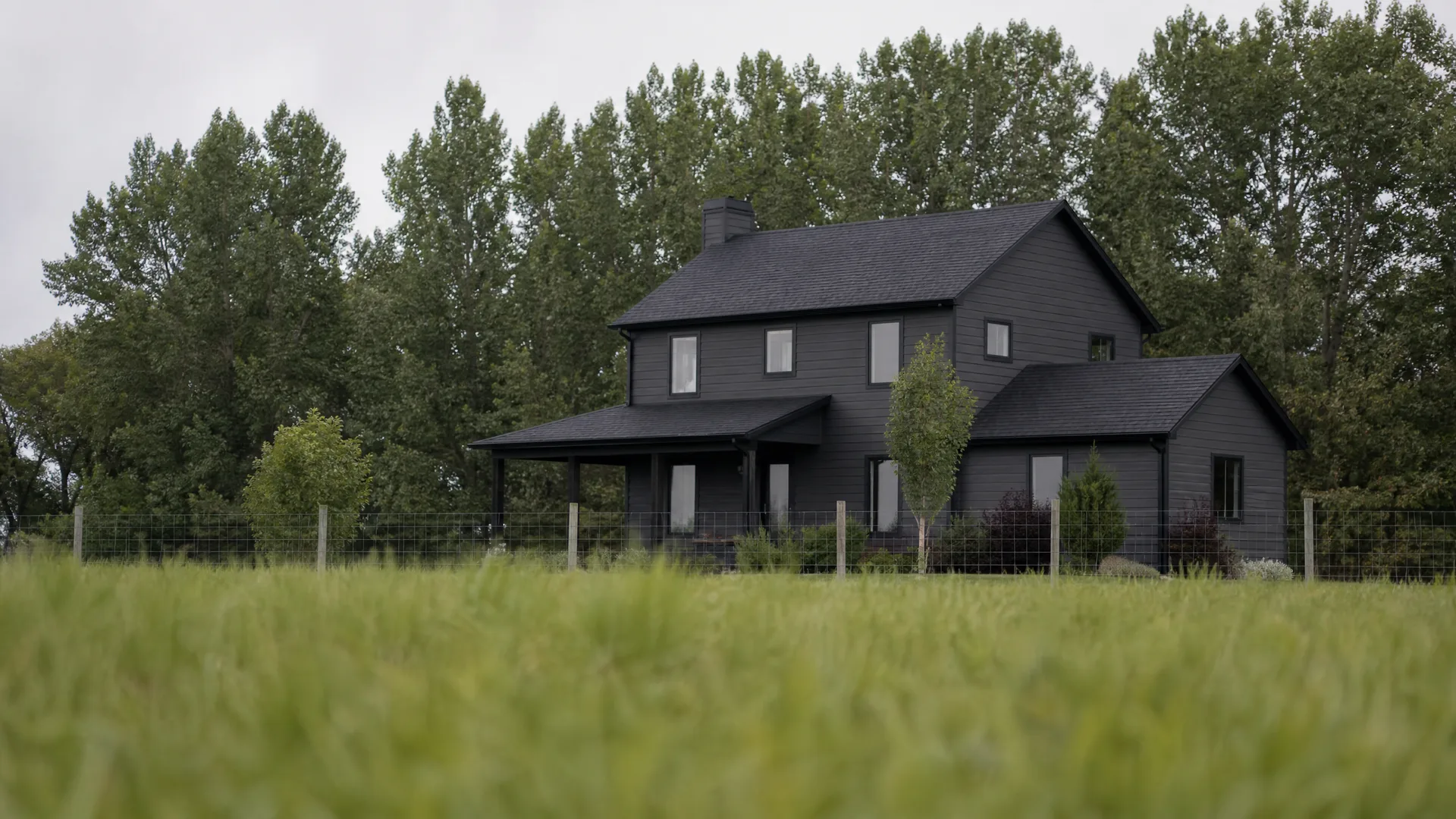
Isometric line illustration of a cutaway single-story house with a shingled roof, showing an interior furnace connected to ductwork and a tall vertical flue pipe, plus simple furniture in the adjacent room.
Your furnace works hardest from November through March.

NOAA nClimDiv, 1991–2020 normals

Furnaces here start up in September.

That first cold snap is when a part that was already failing finally gives out.

A furnace that's struggling costs more here than most places

Climate zone 6A
Heat runs September through May
Winter nights average 5°F

Electricity in North Dakota runs about $33.73 per million Btu, and most homes in Sargent County heat with it. A furnace that's lost some of its edge doesn't just run longer, it pulls more power to push out the same heat, every cycle, all winter. A short cycle or a cold room upstairs is worth having looked at now instead of waited out. The longer a bad part sits, the more it costs you before the cold breaks.

Have the real problem found, not just the symptom

A furnace running nine months a year does not give a worn part much time to just be a little worn. Have it checked properly now, so the fix holds through the rest of the season instead of giving out again before May.

Find a contractor
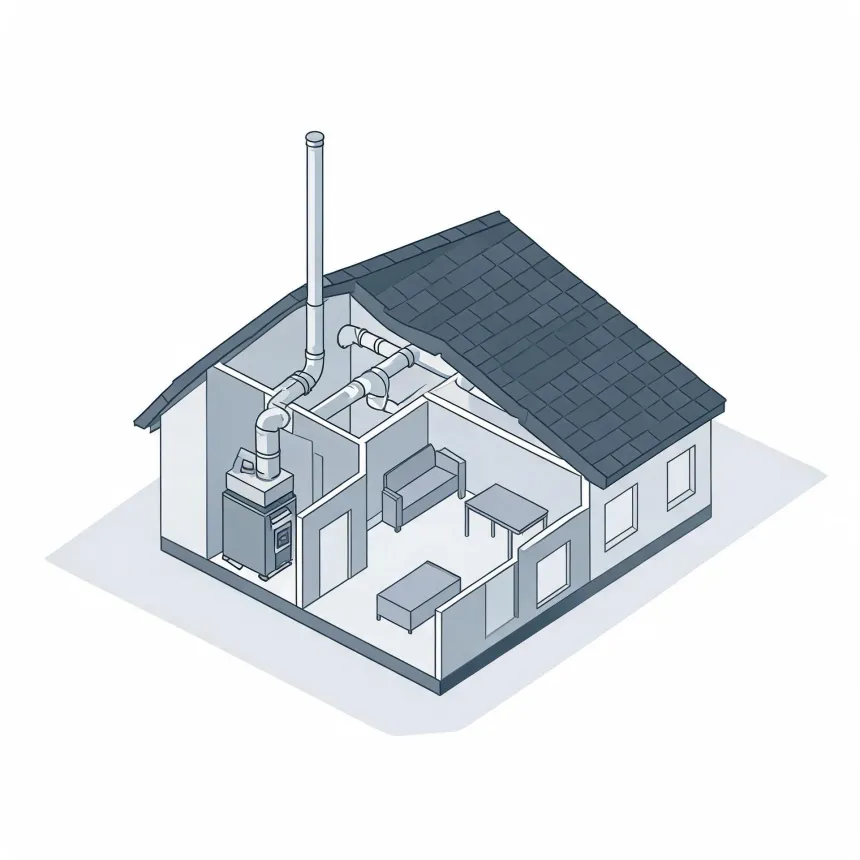
A gray residential gas furnace installed in an unfinished basement, connected to sheet-metal ductwork and PVC pipes.

What to check before you call

Before anyone comes out, there are a few things worth looking at yourself. Check the thermostat first. Make sure it's set to heat, not cool, and that the set temperature is actually above room temperature. If it runs on batteries, swap them. Next, go look at the filter. Pull it out and hold it up to a light. If you can't see light through it, it's choking off airflow and that alone can cause a shutdown. Check that the furnace switch is on. It looks like a light switch, usually sits near the unit or at the top of the basement stairs, and it's easy to bump off without noticing. If your furnace has a standing pilot, see if the pilot light is lit. If it's gone out, there's usually a relight instructions sticker right on the panel. Look at the vent pipe outside where it exits the house and make sure nothing is blocking it: no snow, no debris, nothing nesting in it. Last, check the breaker panel for a tripped switch. If you flip it back and it trips again right away, stop there and don't keep resetting it. Any of these can be the whole problem. If you've gone through them and it still won't run, or it runs and shuts off on its own, that's a sign something inside needs a trained eye.

A small problem rarely stays small

A cracked heat exchanger or a failing limit switch doesn't heal itself by running. Every cycle flexes the metal a little more, or pushes the blower motor a little closer to seizing. What starts as a hairline crack or a bearing with some play in it gets worse through continued use, not better.

Running it anyway can turn a repair into a replacement

A furnace that's short cycling or tripping its limit switch is telling you something is already wrong. Keep running it in that state and a part that could have been swapped on its own sometimes takes other components down with it, like a cracked exchanger that lets a blower motor run hot, or a failed igniter that leads someone to keep forcing retries until the control board gives out too.

Most furnace trouble shows up as sound or smell before it shows up as cold air. A bang at startup usually means gas is building up before the igniter catches, instead of lighting right away. A squeal points to the blower motor or its bearings. A burning smell in the first few minutes is often just dust on the heat exchanger and clears on its own, but a burning smell that lingers is not something to wait out. Short cycling, where the furnace fires up and shuts off again before the room warms, often means a dirty flame sensor or a limit switch reacting to heat buildup it shouldn't be seeing. Watch the flame itself if you have a window to see it: it should burn steady and blue, not yellow or flickering. Any of these is the furnace telling you something specific, not just acting old.

Age by itself doesn't mean replace it. A worn igniter or a failed blower motor is often a straightforward repair, and a well-maintained furnace can take a lot of part swaps over its life. What changes the math is the heat exchanger. That part isn't meant to be replaced, so a crack in it usually means the whole unit is done. The other thing worth weighing is how often someone's had to come out for it. One repair is just a repair. A furnace that's needed a service call two or three winters running for different reasons is wearing out faster than it should, and that pattern tends to continue even after the current part gets fixed. If what's wrong now is a single part and the rest of the furnace has otherwise run fine, fixing it is the right call.