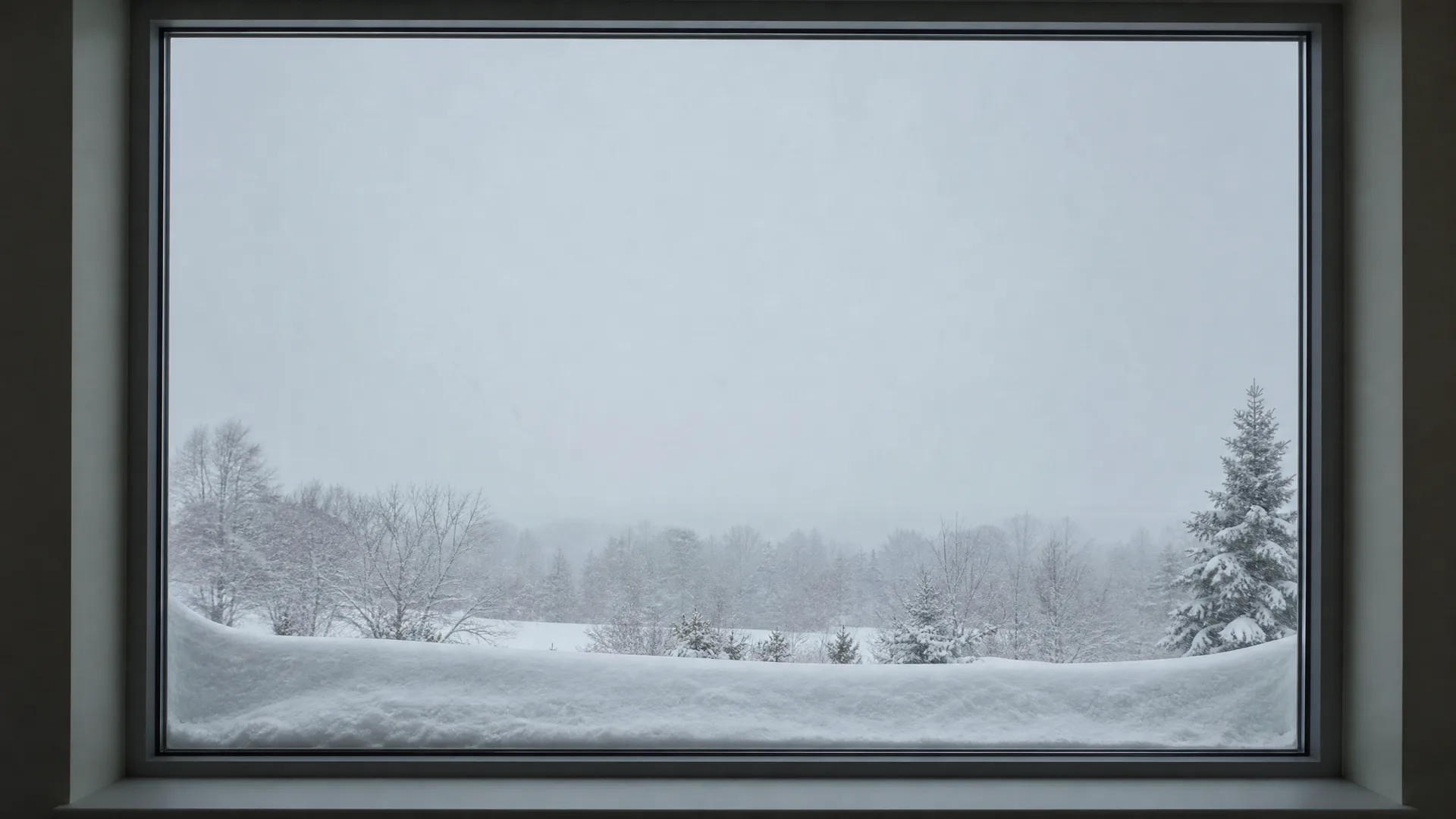
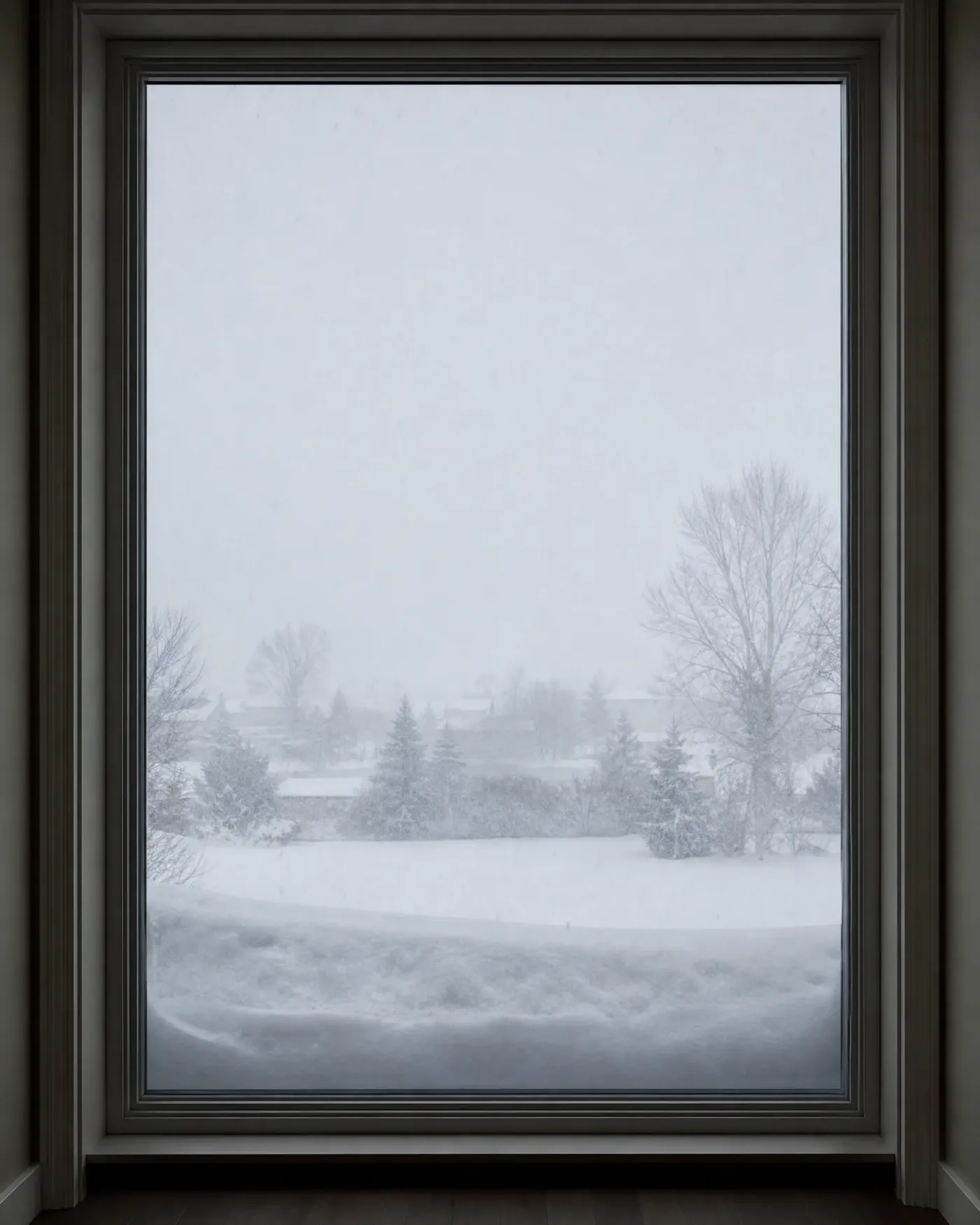
Winters below zero, for days at a stretch
A heat pump loses capacity as the temperature drops. Mercer County gets stretches of real cold, and propane keeps putting out full heat through all of it.
Propane bills climb every winter and you've probably seen a heat pump mentioned somewhere as the thing people switch to. Before you look into it further, you want a straight answer for your situation here in Mercer County, not a sales pitch. Winters in Beulah get hard, and that's the part that decides whether this makes sense for your house.
A heat pump moves heat instead of burning fuel for it, and that works well until the outdoor air gets cold enough that there's little heat left to move. Mercer County winters get well below zero, past the point where most heat pumps can keep a house warm on their own. That's why a full switch away from propane isn't the usual recommendation here. What does make sense for a lot of homes is a dual fuel setup, where the heat pump handles the milder stretches of fall and spring and the propane furnace takes over once temperatures drop hard. Power here is cheap enough that running the heat pump those months costs less than burning propane for the same heat, so you use less fuel overall without asking a heat pump to do a job it can't finish in a Beulah winter.




A heat pump loses capacity as the temperature drops. Mercer County gets stretches of real cold, and propane keeps putting out full heat through all of it.
Power here runs cheap year round. A heat pump run on that power holds a steadier bill than propane, which climbs when the truck price does.
You fill the tank in October and you're calling the propane company again by February. The gauge drops faster on the stretches when it's below zero for days, because that's when the furnace runs the longest and the hardest. You check the tank level more than you'd like to admit, and you've started doing the math on degree days without meaning to. None of that means anything is wrong with your furnace. It means propane costs what propane costs, and a hard Mercer County winter asks a lot of it. If the tank is emptying faster than it used to, or the bill is climbing year over year with no change in how you live, that's worth a second look before next winter gets here.
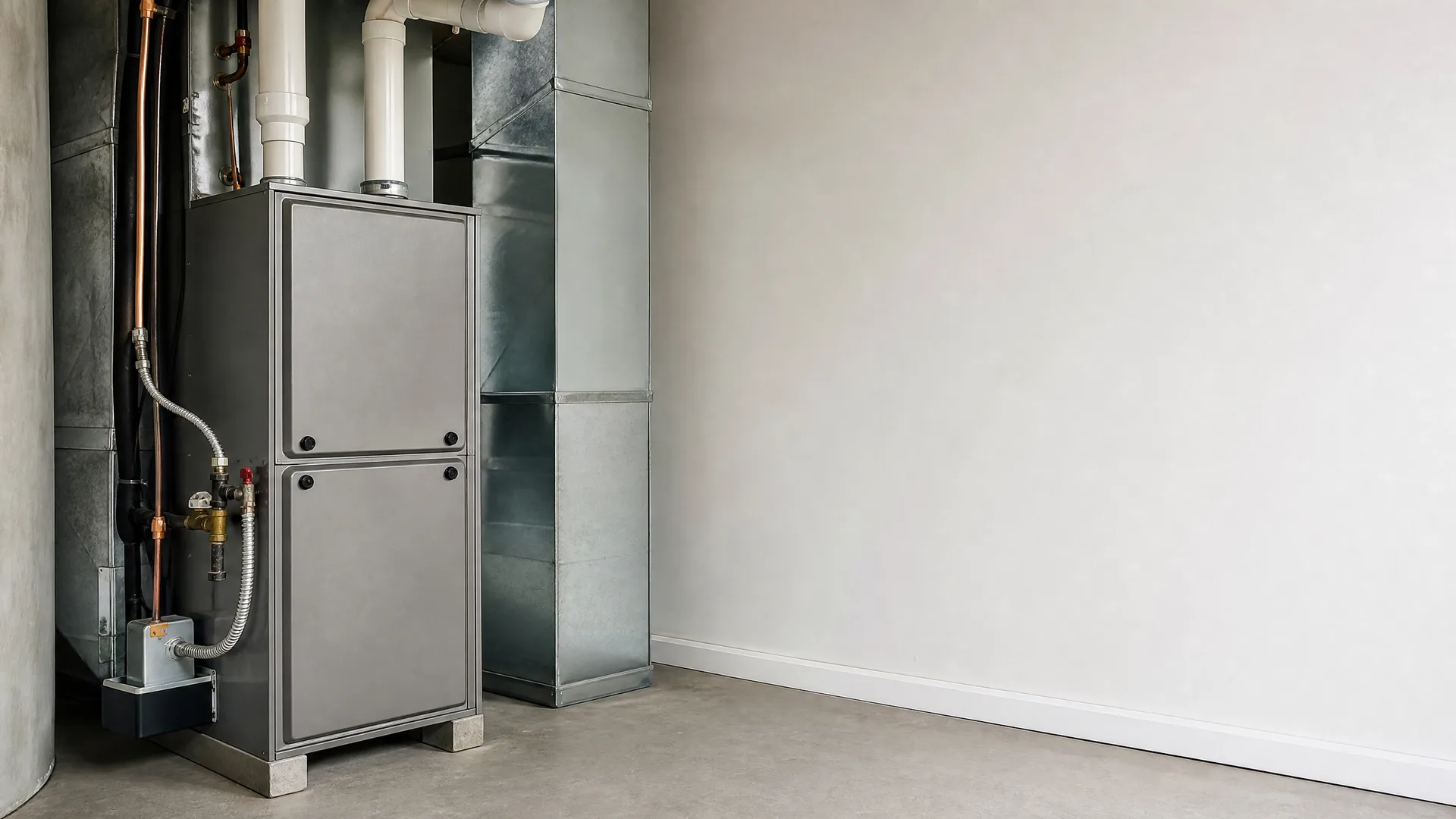
Propane burns hot no matter how cold it gets outside. At ten below, the furnace puts out the same heat it does at twenty above. Mercer County gets long stretches of real cold, and a propane furnace doesn't lose ground to it. That's the case for keeping it: on the coldest night of the year, you're not thinking about capacity, you're just warm.
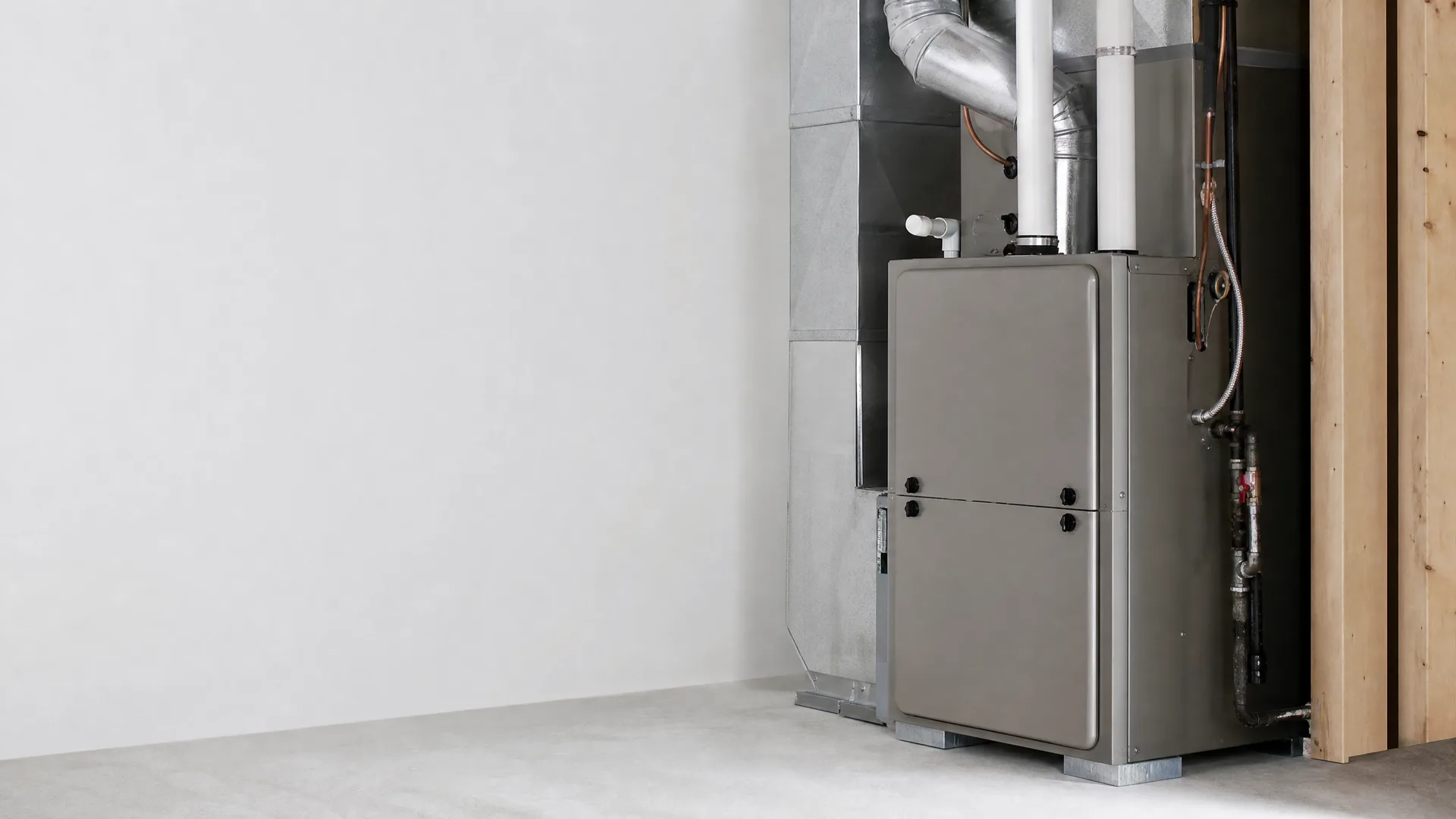
A heat pump runs on electricity, and power here is cheap. It moves heat instead of burning fuel, so there's no tank to fill and no delivery to schedule. The tradeoff is capacity. As the outdoor temperature drops, a heat pump has to work harder to pull the same heat out of the air, and on the coldest days it may need backup to keep up with a North Dakota winter.
Winter nights average 6°F
Six degrees is the average night, not the low point. A furnace sized for that keeps the house warm on the nights that go well past it.
Heat runs September through May
Nine months of heat means the furnace is working most of the year here, not just a few cold weeks. The fuel it runs on matters that much more.
58.4% of homes heat with propane
Most of your neighbors already heat with propane. The furnace swap you're weighing isn't the standard setup for a Mercer County winter.
NOAA nClimDiv 1991-2020 · ACS 2020-2024
A propane furnace works the way it always has. Fuel burns at the burner, a heat exchanger warms the air, and a blower pushes it through the ducts. A heat pump does something different. It has no burner at all. It runs a refrigerant loop that pulls heat out of the outside air and carries it inside, the same loop that pulls heat out of the house in summer and dumps it outside. That works fine down to a point. As the outdoor temperature drops, there's less heat in the air for the refrigerant to grab, and the unit's output drops with it. This is why a heat pump alone isn't the plan for Mercer County winters. Paired with a furnace, the setup is called dual fuel. A control board tracks the outdoor temperature and hands the job to whichever unit can do it. Above a set point, the heat pump runs and the furnace sits idle. Below it, the furnace takes over and the heat pump steps back. Nobody flips a switch. The propane furnace ends up working only on the coldest days of the year, not the whole season, which is the part of this setup worth understanding before you decide if it fits your house.




You've read the numbers above and most of them point the same way. Propane keeps full heat when the temperature drops, and Mercer County gets plenty of nights that test that. A heat pump can't match it once the cold really sets in. For most homes around Beulah, a new propane furnace is still the straightforward call for a house that heats nine months of the year. What's left is finding someone who'll size the furnace to your house and your ductwork, not just swap in whatever's on the truck. That means calling around, explaining the house to each one, and sorting through quotes that aren't priced the same way twice. Send the form instead and a contractor who installs furnaces in this area takes it from here. You go back to your day, and the next call you get is from someone ready to talk about your house.
A heat pump still has a place here. It can carry the house through the milder stretches of fall and spring, and it cools the house in summer, so you get both from one system instead of running propane for heat alone.
Pair it with the propane furnace instead of replacing it, and the furnace only has to take over once the temperature drops too far for the heat pump to keep up. You get the lower running cost on the mild nights without giving up the full heat on the cold ones.


Picture the furnace room in late January, running most of the day because it's six below and holding. That's the propane tank you're watching empty faster than it did in November. A heat pump sitting outside in that same cold is losing capacity right when you need it most, so the house would be leaning on backup heat through the exact stretch that already costs you the most in fuel. What changes if you add one isn't that stretch. It's October, it's April, it's the nights that only dip into the twenties, where a heat pump can carry the whole load on cheap power and the propane burner doesn't fire at all. Your tank lasts longer because it's only working the months that actually demand it. Skip it, and every mild night still runs through propane, same as every brutal one, and the bill doesn't know the difference between the two.
Six below zero overnight, on average, for the three coldest months. Your furnace is sized to handle that and keep pushing out full heat anyway. A heat pump asked to do the same job would be losing capacity right when you need it most.
NOAA nClimDiv 1991-2020
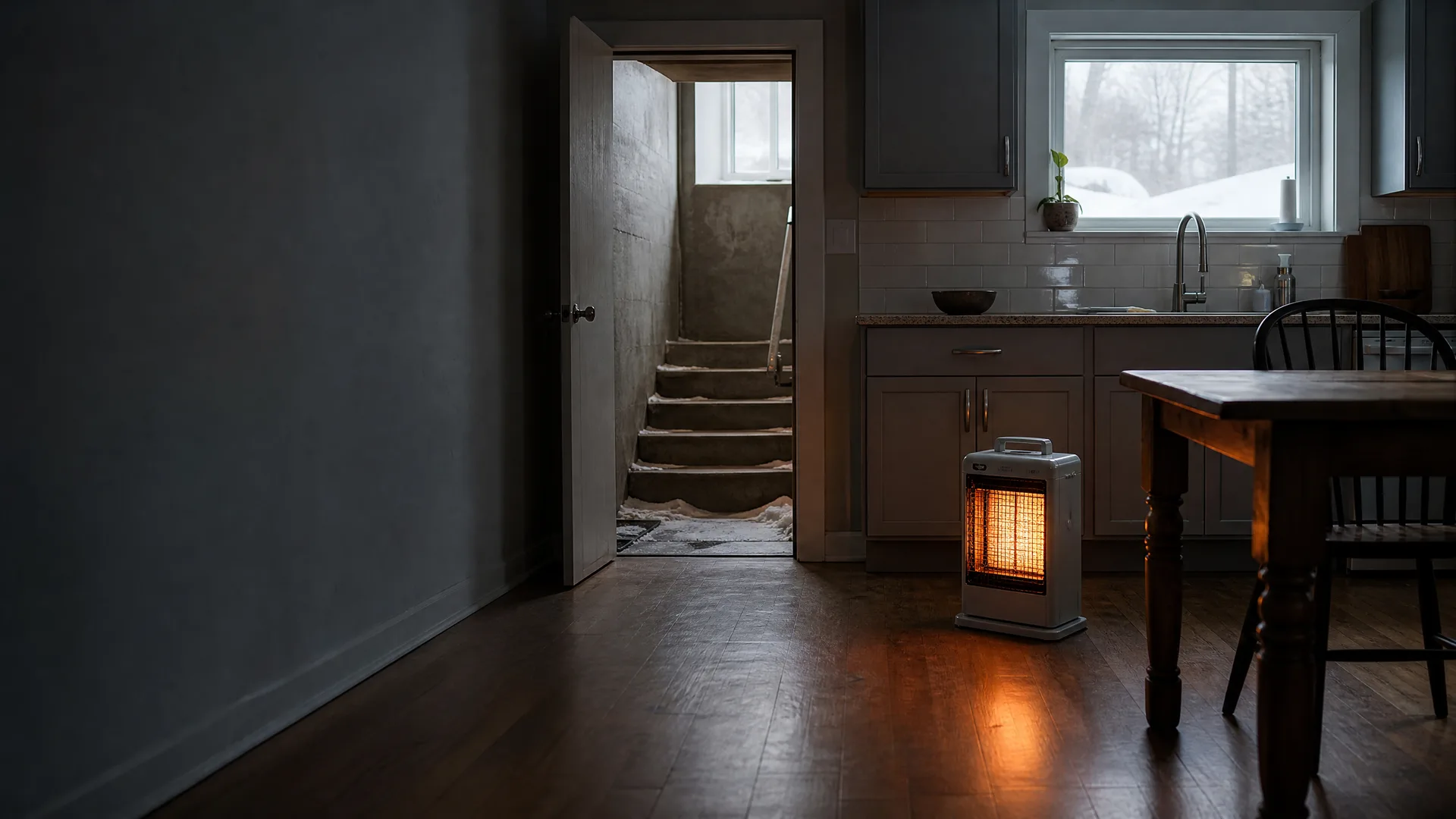
The propane furnace quit sometime after midnight and nobody heard it happen. You come down at six to a kitchen that's gone cold, the space heater pulled out from the closet and glowing orange by the table, cord stretched tight to the only outlet that reaches. The basement door stands open behind it, because that's where you went first, flashlight out, checking the tank gauge and the pilot before you gave up and came back upstairs. Outside it's still dark and well below zero, the kind of morning Mercer County gets a handful of times every winter. The coffee's on, the dog won't leave the heater's side, and you're doing the math on how long you can wait before calling someone.

Propane is the right call for heating a home in Mercer County, and pairing it with a heat pump for cooling and the mild months makes sense if you want one system doing double duty. A heat pump on its own doesn't hold up once the real cold sets in, and the numbers above show why. That's the answer. What's left is finding someone who installs either setup correctly and stands behind the work.
That part is usually the slow part. Looking up contractors, calling around to see who's licensed and who actually answers, explaining your situation again to each one, then sitting with a stack of quotes trying to tell them apart. Send the form on this page and that work is off your plate. You'll still need to decide what goes into your furnace room, but you won't be the one tracking down who's available to put it there.






Skip searching for a furnace pro and answer a few questions instead.
There's no charge for the request.